From the founder
The Story
Why I started Grand Cellar Spirits, and what I wanted it to be that nothing else already was
In the owner's words
Why I started this
I started Grand Cellar Spirits because I kept running into the same gap, and nobody seemed interested in closing it.
On one side there were bottles that no longer exist. Distilleries that closed in 1983 and never reopened. A Korean grain soju made before the practice was banned outright. An amaro under a capsule nobody has used since before the war. These changed hands quietly, between people who already knew each other, at prices nobody published. You could not buy into that world unless you were already in it.
On the other side there was everything being made right now, sold in bright shops with no sense that any of it came from anywhere or was made by anyone. Two halves of one trade, kept in separate rooms.
Neither half makes complete sense alone, and that is the thing I wanted to fix. A closed distillery only means something once you understand what it was doing while it was still open. A distillery founded in 2005 is only interesting once you know what fell silent on that same coast before it. So I built one place where the past and the present sit together, and where the line running between them is the point rather than an accident of stock.
The second thing I wanted was to bring the high end of this trade to the people buying from us, rather than keeping it behind a door. Rare spirits have been sold for a very long time as though asking the price were bad manners. Everything here carries a price, a strength, a fill level and a plain account of its condition. If a bottle has a fault we put it in the listing. If we cannot trace where it has been, we say that too, and we say where the trail stopped.
That is the whole brand. Connect the past to the present, and make the top of this trade something a buyer can actually walk into.
Founder, Grand Cellar Spirits
What that looks like in practice
Six pairs from the catalogue. On the left what we hold, on the right what the same house is bottling now. This is the connection the brand exists to make, in bottles rather than in words.
- JapanIn the vault
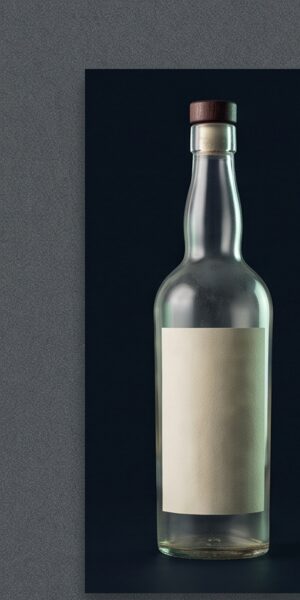
Hakuryu 1984
On the shelf now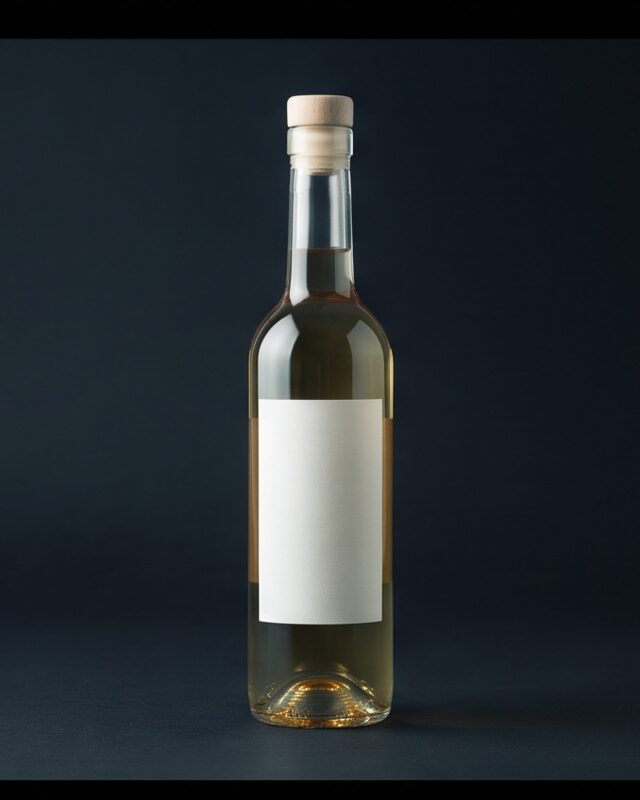
Hakuryu 2016
The same house and the same wood. What separates them is how long the spirit sat in it, and thirty two years of the world deciding it wanted Japanese whisky.
- South KoreaIn the vault
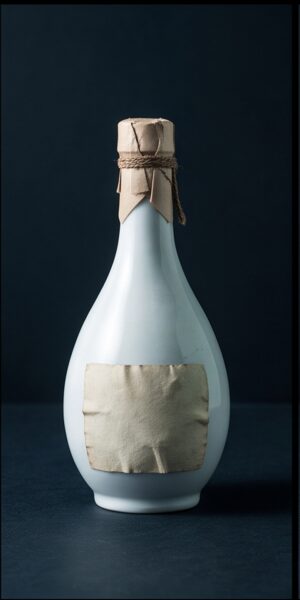
Cheonggang 1961
On the shelf now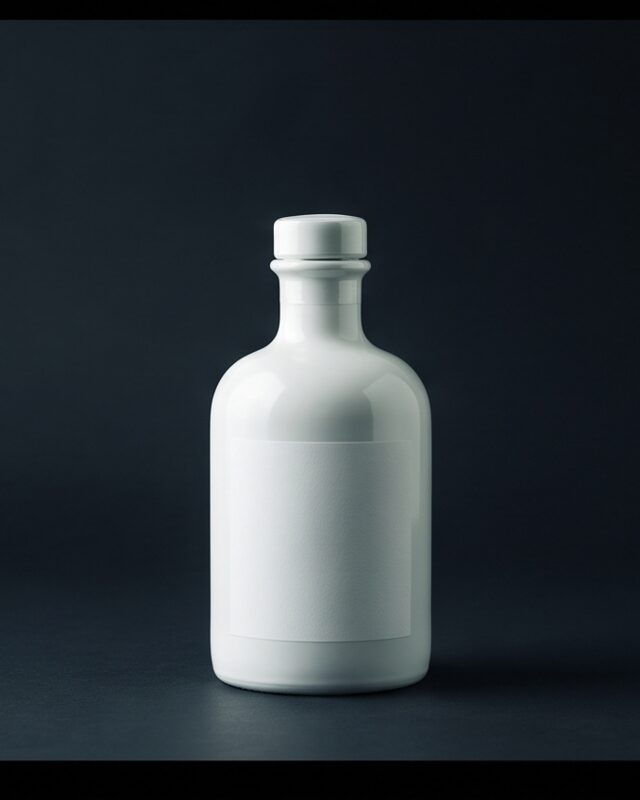
Cheonggang 2019
Fifty eight years apart, and for thirty four of them this house was not permitted to distil from grain at all. The gap in the middle is the reason the older bottle costs what it costs.
- EnglandIn the vault
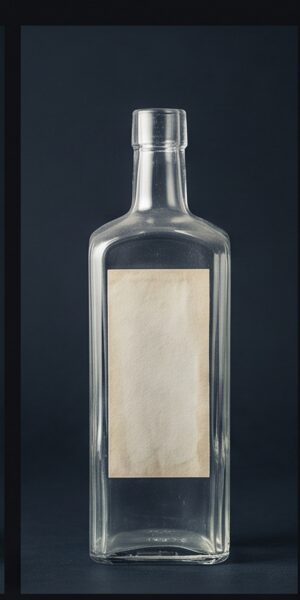
Fenwick Malt 1998
On the shelf now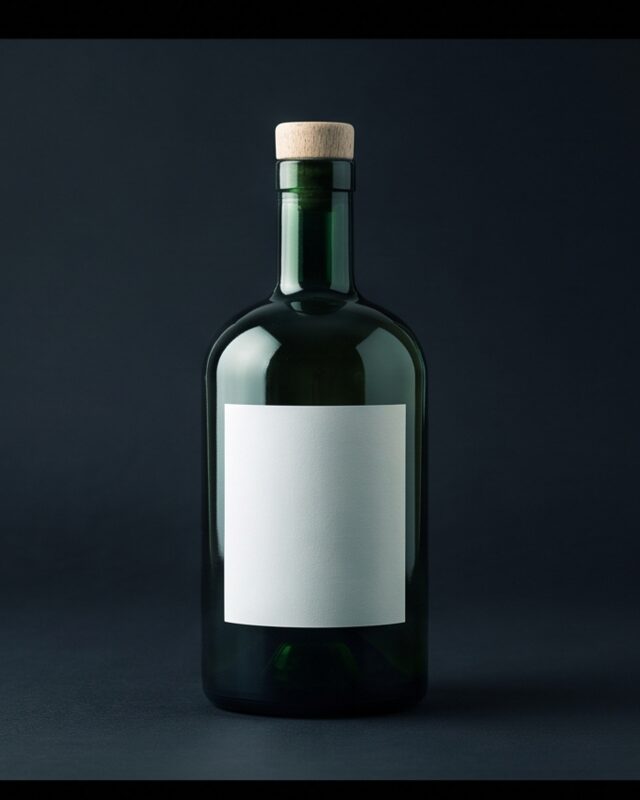
Fenwick Reserve 2018
England had no single malt distilleries between the wars and 2006. Twenty years in, the same house is making something you can afford to drink on a Tuesday.
- ItalyIn the vault
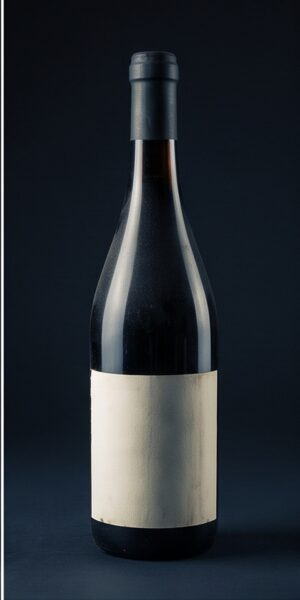
Amaro Certosino 1938
On the shelf now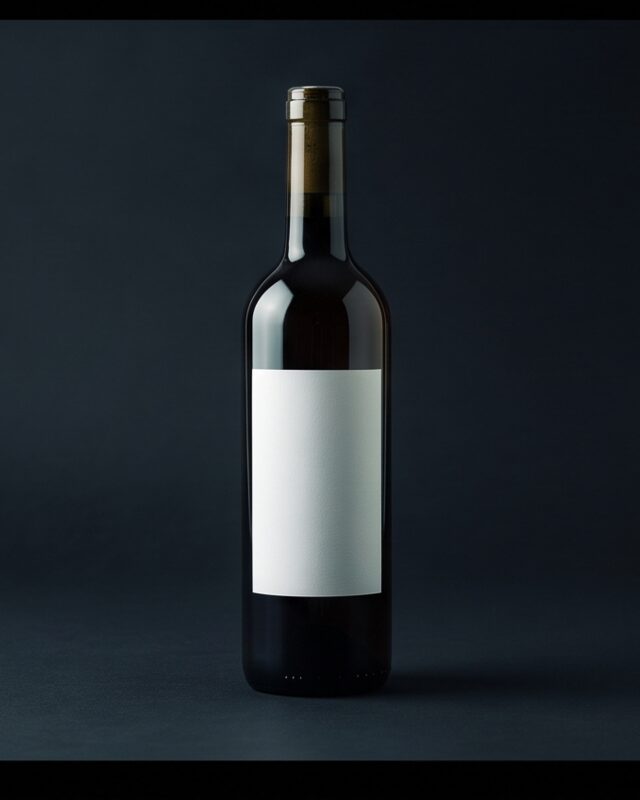
Amaro Certosino 2015
Still the infirmary recipe, still bitter enough to argue about. Italy is the one origin where the modern bottle and the pre war bottle are recognisably the same drink.
- NetherlandsIn the vault
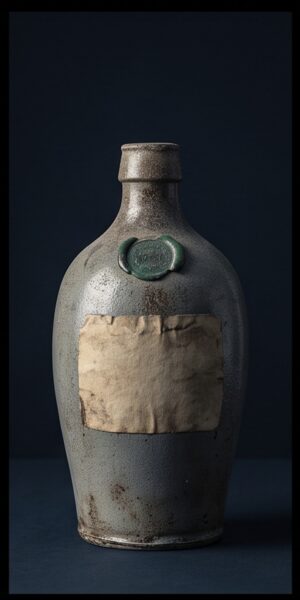
Beemster Korenwijn 1968
On the shelf now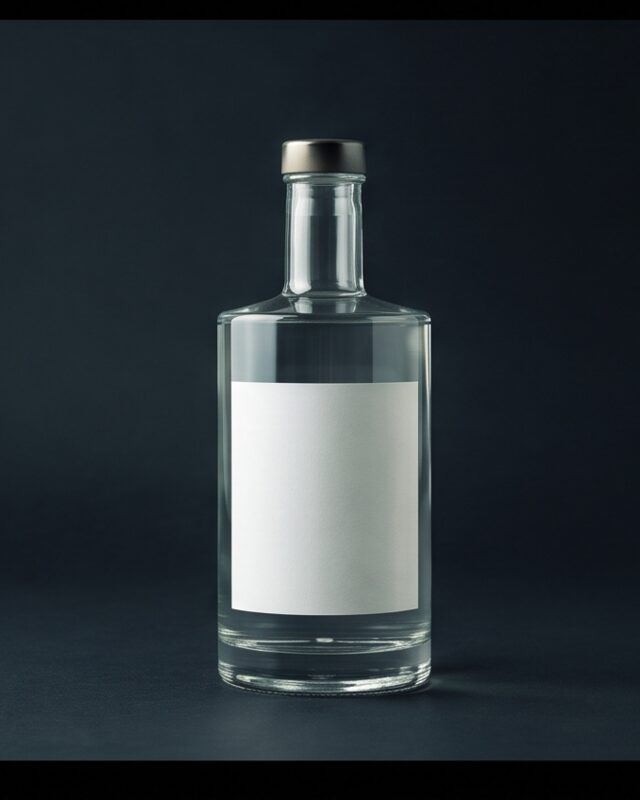
Beemster Jonge 2019
One house, two styles. Oude keeps a high proportion of malt wine and the cask time that goes with it; jonge keeps neither, which is most of the difference in the price.
- ScotlandIn the vault
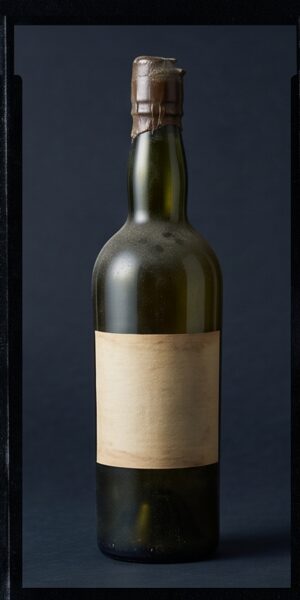
Craigduin 1966
On the shelf now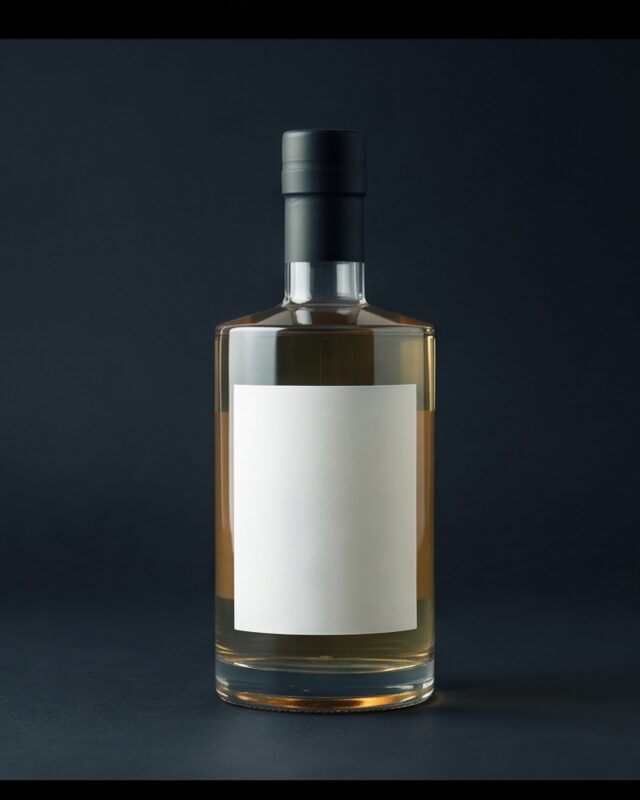
Cnoc Dubh 2014
Not the same house, and that is the point. One went silent in 1983 during the closures that made this vault possible. The other opened on the same coast in 2005.
Start at either end
Browse the vault by country, or see what those same houses are bottling this year. Both routes end up in the same cellar.