Bringing back bottles the world has forgotten about
Closed distilleries and private cellars.
Age check
Your date of birth
Grand Cellar Spirits sells alcohol, so we have to ask before you come in. What you type is compared against the drinking age and thrown away. Only the answer is kept, and it stays in this browser.
The threshold here is 18, the legal drinking age in Australia, where the cellar ships from. If your own country sets it higher, that age is the one that applies to you. Age is checked again before any order ships.
Closed distilleries and private cellars.
Grand Cellar Spirits
Everything we hold, filed by origin and by category.
Fill level, capsule condition, cellar history and chain of ownership, photographed and written down before a bottle is listed.
It ships double walled the moment you ask, or waits in bond under your name until the occasion arrives. The decision is yours; the bottle already is.
Currently in the vault
The rarest thing on each of the eight shelves, and the bottling that origin is actually known for. Prices are what we last traded them at.
 Lot 041
 Lot 052
 Lot 088
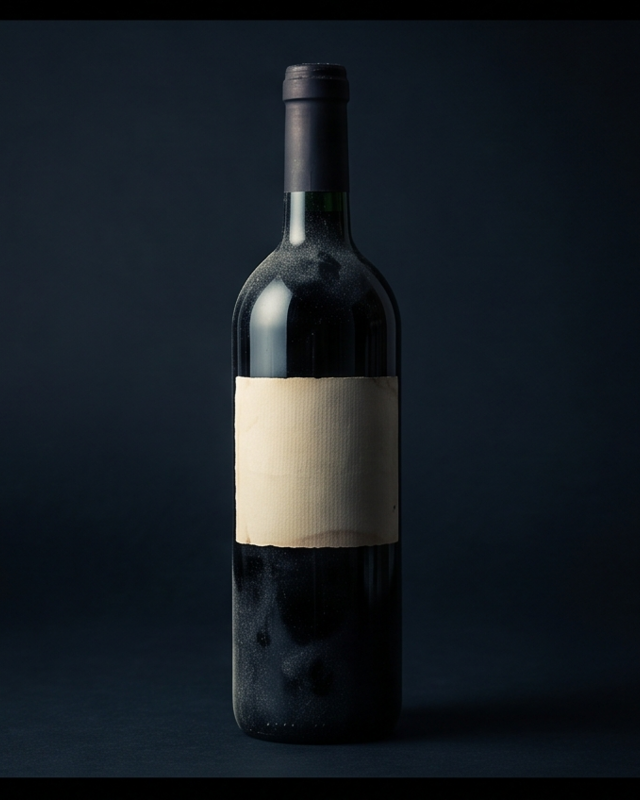 Lot 049
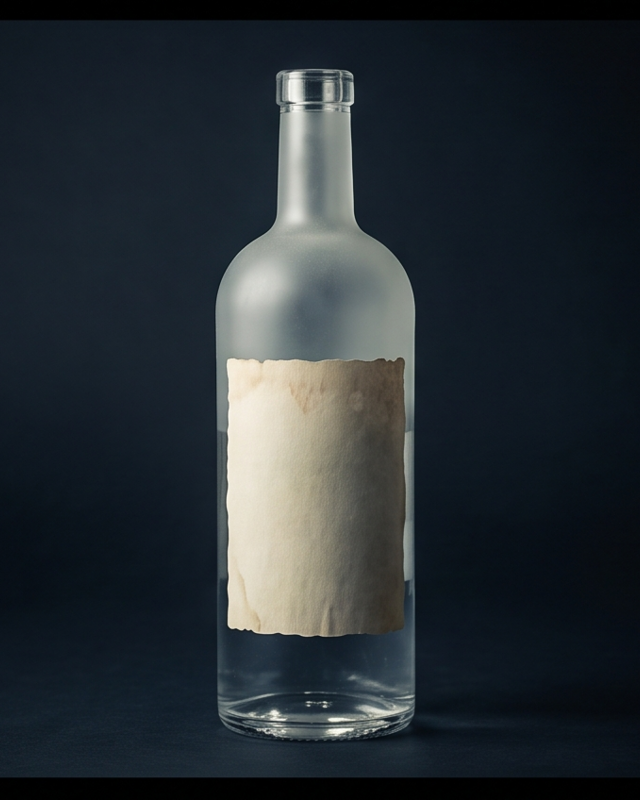 Lot 017
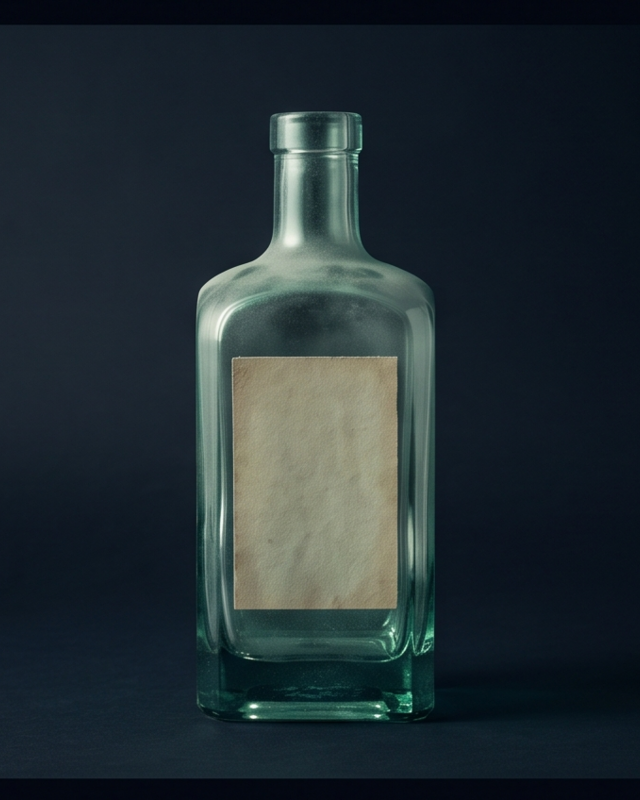 Lot 061
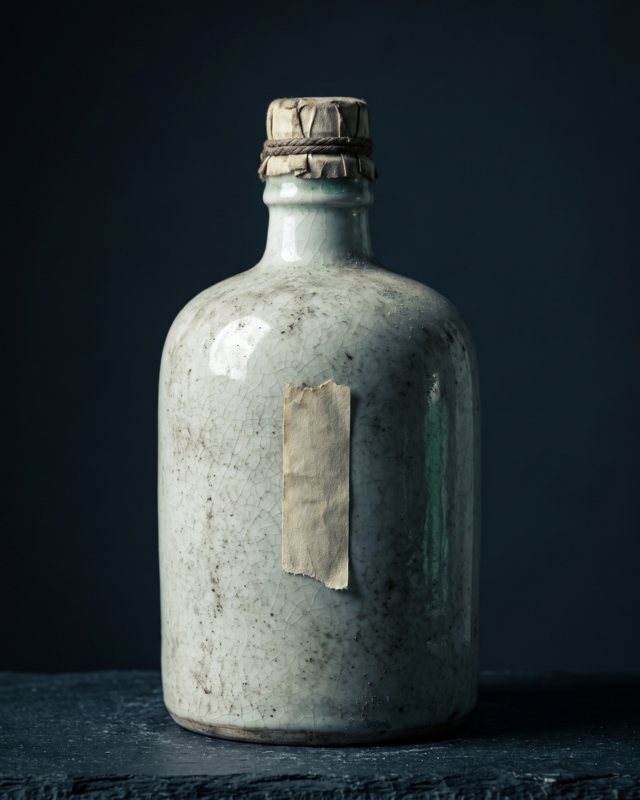 Lot 112
 Lot 012
One thousand four hundred and twelve lots, across five categories. Some are single bottles. Some are the last case anyone can find.
612 lots
304 lots
188 lots
141 lots
167 lots
Eleven origins have a shelf of their own. Pick one to see what is held, what it is worth, and what that country is actually good for.
The same shelves cut the other way. Every piece we can send today, filed by what you would actually call it rather than by where it was made.
27 turns across the eight origins, from the first staked vines to the last country to start distilling again. None of it is our invention; all of it is why the vault holds what it holds.
Greek colonists plant staked vines across the south and call the country Oenotria. Fermentation in Europe starts here, long before anyone thinks to distil it.
Phocaean Greeks found Massalia on the Mediterranean coast and bring vines with them. The Romans carry the practice north over the next few centuries.
The Harima fudoki describes sake made with koji, a mould grown on steamed rice that converts starch to sugar while fermentation is already running.
Kvass, fermented from rye bread, appears in the chronicles. Grain, not fruit, is the base of everything Russia will later distil.
The medical school at Salerno writes down how to distil wine. For the next few hundred years spirits are a remedy rather than a pleasure.
Distilling arrives with the Mongol campaigns, carried east from Persia. Kaesong, Andong and Jeju become the centres, and near Kaesong soju still carries the Arabic root of its name.
A prior at Eauze sets down forty virtues of the local eau de vie, which makes armagnac one of the earliest documented brandies anywhere in Europe.
Hopped beer arrives from the Low Countries and is resisted for a generation before it wins, because hops keep a barrel sound far longer than unhopped ale.
Bread wine, distilled from a rye mash, is being made around Moscow. The category is defined from the start by stripping flavour out rather than building it in.
The Exchequer Rolls note eight bolls of malt sent to Friar John Cor to make aqua vitae. It is the first written evidence of Scotch, and the trade is already established enough to tax.
Carpenters working on a shrine in Kagoshima scratch a complaint into the woodwork that the priest was too mean to give them any shochu. It is the earliest written mention of the drink.
Lucas Bols begins distilling in Amsterdam, at the start of the Dutch trade that will supply half of Europe.
Dutch merchants buy wine boiled down for the voyage home and call it brandewijn. Demand from that trade is what turns Cognac and Armagnac from local practice into industries.
The Distilling Act opens grain spirit to anyone who wants to make it, favouring domestic distillers over French brandy. The gin trade and the disorder that follows both begin here.
Antonio Benedetto Carpano begins selling a fortified, aromatised wine over the counter in Turin, and vermouth becomes a defined commercial category.
The Excise Act makes a licence affordable enough to be worth holding. Most illicit distilling ends, and nearly every distillery still working dates its continuous life from here.
Aeneas Coffey patents the continuous column still. Grain spirit can suddenly be made cheaply and at volume, which is what makes blended whisky, and the modern industry, possible.
Phylloxera reaches French vines and destroys much of the wine and brandy trade over the following decades. Cognac never fully recovers its position, and Scotch takes the ground it loses.
Schiedam works hundreds of malt wine distilleries at once, and jenever is at its peak before gin and the column still take the market from it.
The state takes distilling into monopoly. It is why so much surviving Russian stock carries a state bottling mark rather than a producer's name.
A colonial liquor tax law licenses brewing and pushes it out of the home, and a great many regional Korean rice wine traditions do not survive the century.
The United States goes dry for thirteen years. Export trades reroute around it, some distilleries never reopen, and the shape of the modern spirits market is set by who survived.
Masataka Taketsuru returns from studying distilling in Scotland and the first Japanese malt distillery is built at Yamazaki, beginning a category that now outprices its teacher.
With rice short, distilling soju from grain is banned outright and the industry moves to diluted ethanol. Anything made before this is why the Korean shelf is so thin.
A glut and collapsing demand close a wave of distilleries in a single year. Those closures created almost everything this vault now calls rare.
The grain distilling ban is fully lifted and small regional makers begin again, thirty four years after the tradition was interrupted.
The first English malt distillery in over a century opens in Norfolk, which is why an English malt is decades younger than its Scottish neighbours and priced accordingly.