Origin
Scotland
Closed distillery single malts from Islay, Speyside and the Highlands
486 lots held
Twelve from the Scotland shelf
Held means the lot is in bonded storage and available. Reserved means a buyer has it under offer. Prices are what we last traded the bottling at.
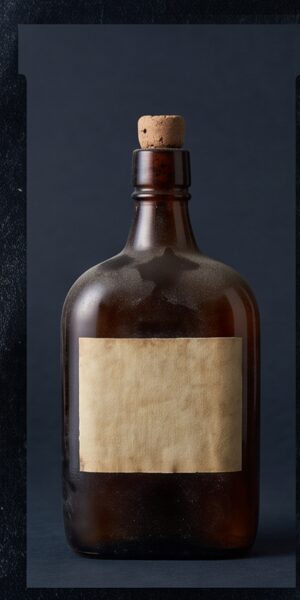 Lot 041
Ardmoor 1972
Islay single malt, refill sherry butt
197246.2%700ml
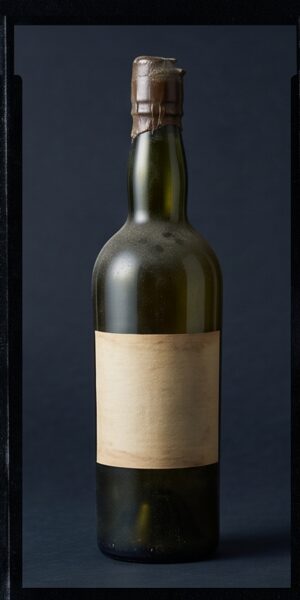 Lot 038
Craigduin 1966
Speyside single malt, silent since 1983
196643.8%700ml
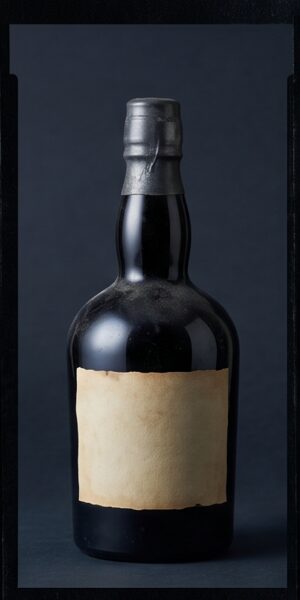 Lot 067
Glen Ardach 1965
Highland single malt, single cask
196545.7%700ml
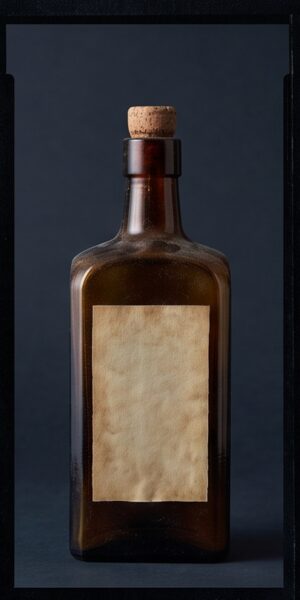 Lot 302
Balvenock 1974
Speyside, first fill sherry
197447.1%700ml
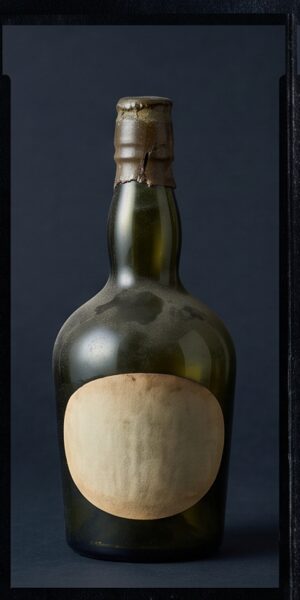 Lot 303
Carn Mhor 1981
Islay, refill hogshead
198150.4%700ml
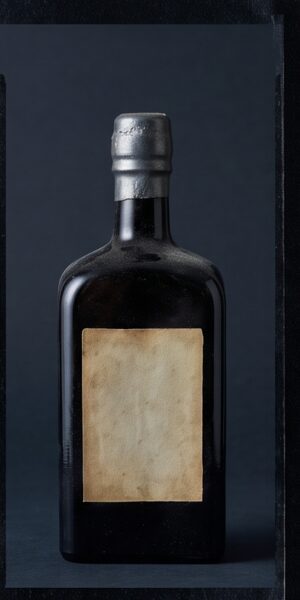 Lot 304
Strathvale 1969
Highland, closed 1985
196944.0%700ml
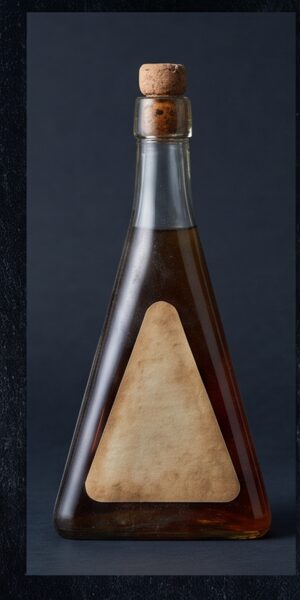 Lot 305
Dunmoray 1977
Islay, heavily peated
197748.6%700ml
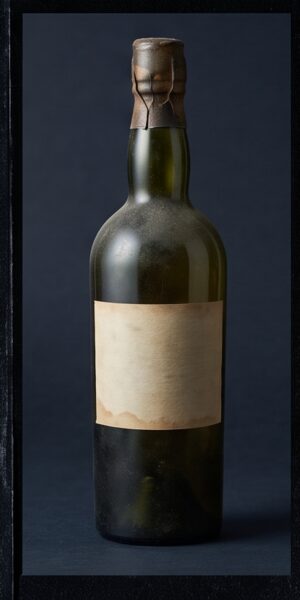 Lot 306
Kilbrannan 1963
Campbeltown, single cask
196342.5%700ml
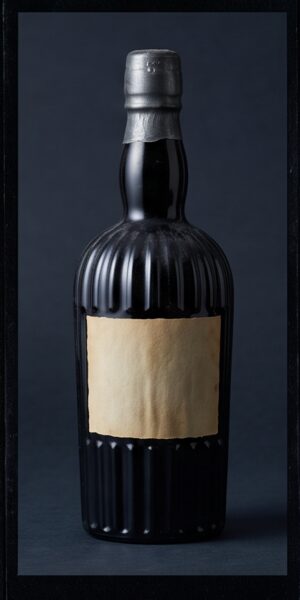 Lot 307
Auchentore 1984
Lowland, triple distilled
198443.0%700ml
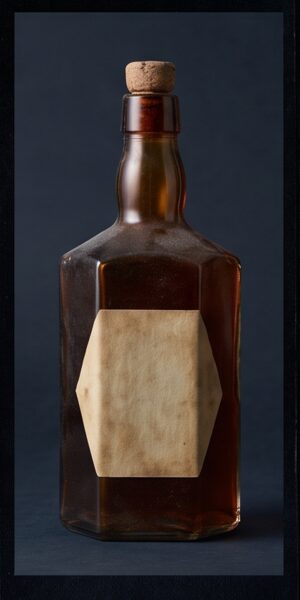 Lot 308
Glen Tannoch 1970
Speyside, refill butt
197046.8%700ml
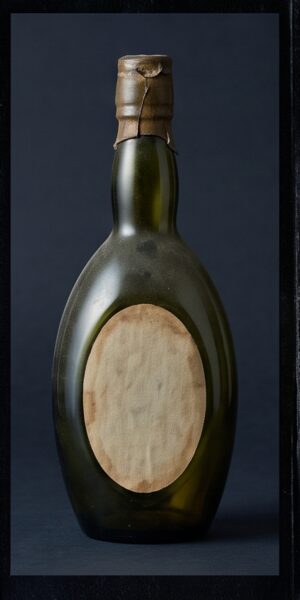 Lot 309
Braemuir 1979
Highland, port pipe finish
197945.2%700ml
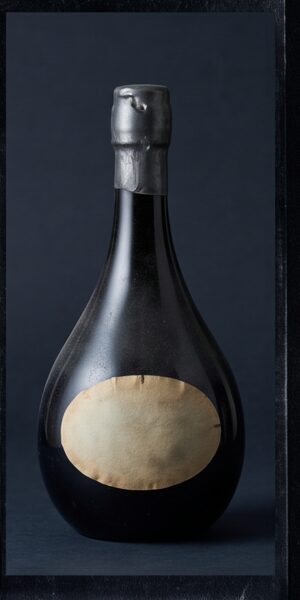 Lot 310
Inverdour 1961
Speyside, closed 1968
196141.9%700ml
Serving pieces from Scotland
19 pieces from Glencairn Crystal, who have blown and cut glass at East Kilbride since 1981. Raymond Davidson drew the Glencairn glass there in 2001 after twenty-five years of thinking about it, gave it a tapered mouth to gather the nose and a wide bowl to open the spirit, and every distillery on this page now pours into one. These come to us through Alba Whisky in Melbourne, so they ship from Victoria rather than Scotland.
Decanters2
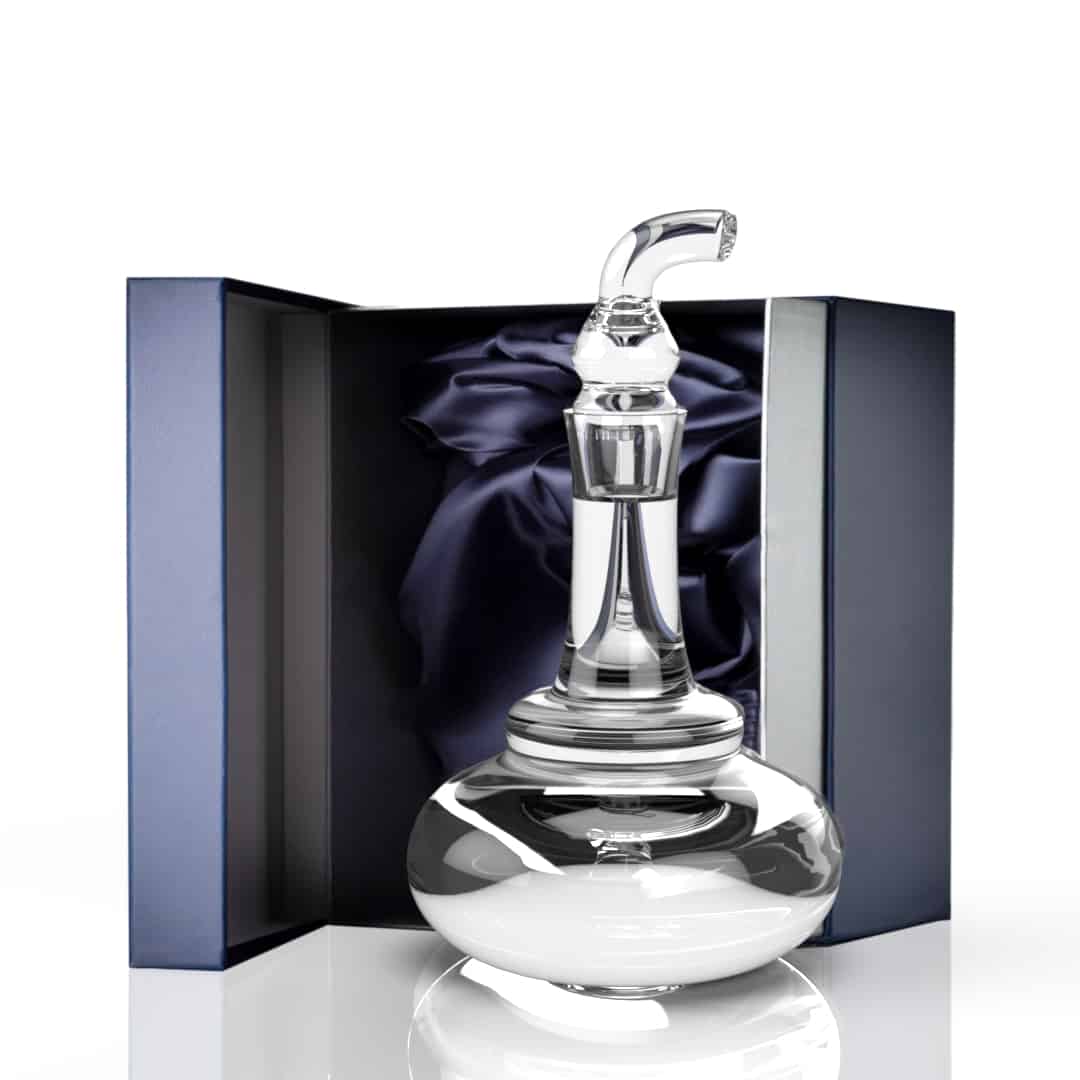 Glencairn Crystal
Pot Still Decanter, 750ml, in presentation box
Cut to the shape of a copper pot still, which is the piece of equipment the whole industry is built on. Lead-free crystal, boxed for giving.
DecantersIn stock in Melbourne
A$285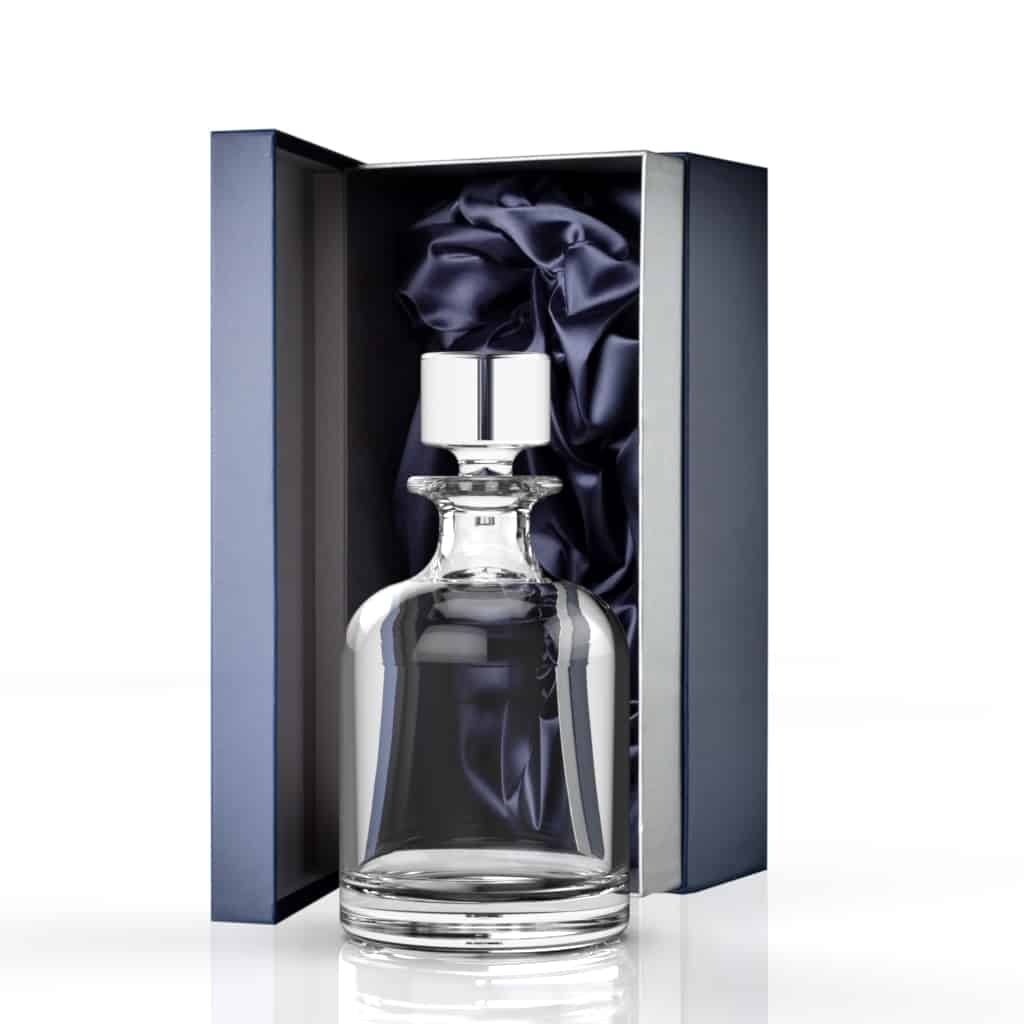 Glencairn Crystal
Iona Decanter, 750ml, in presentation box
The plainer of the two: a straight-sided decanter with a heavy base and a cut stopper. Named for the island the Irish monks landed on in 563.
DecantersIn stock in Melbourne
A$265
Sets and gift boxes5
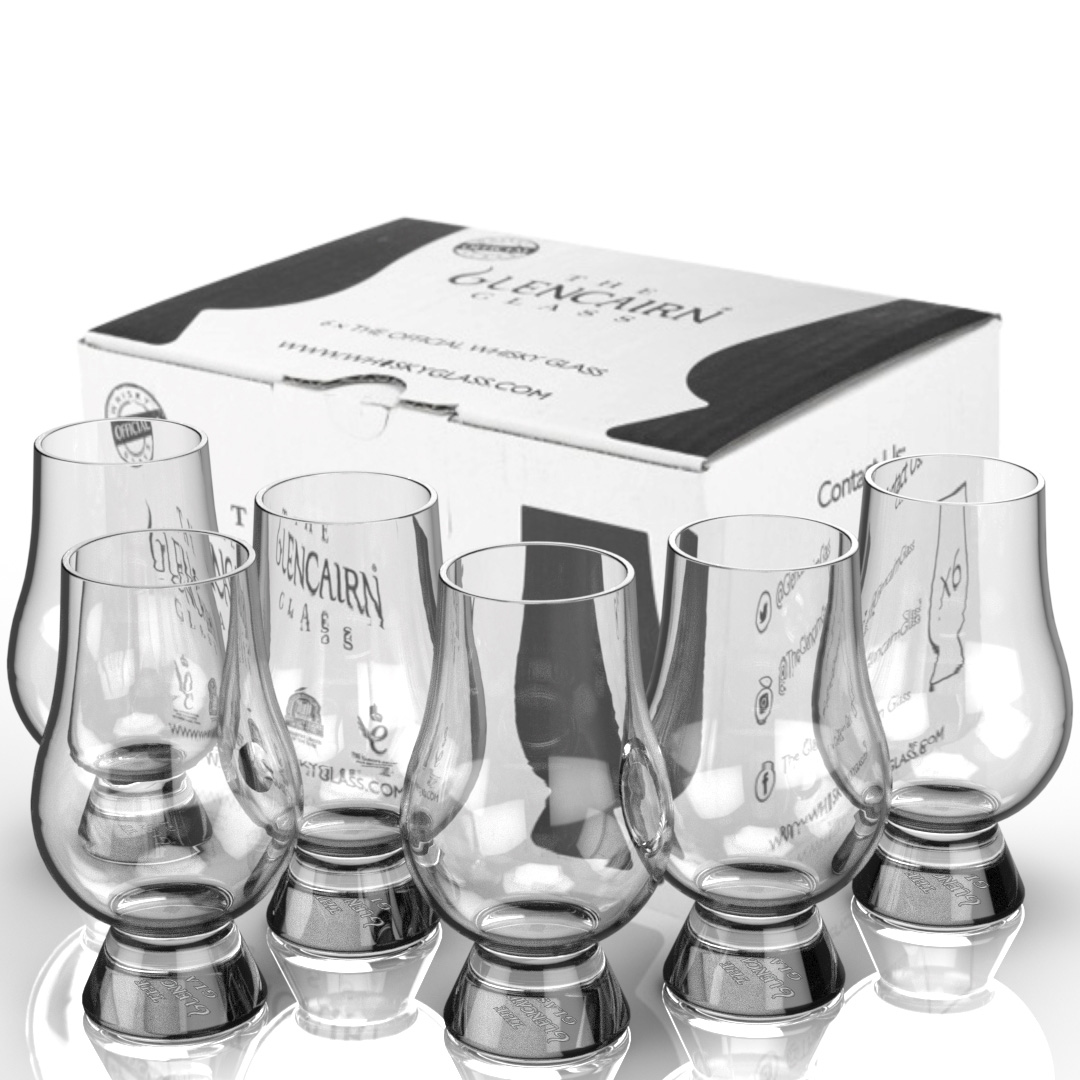 Glencairn Crystal
Glencairn Glass, case of twelve
Twelve in individual cartons. The way to buy them if you are stocking a bar, running a tasting, or simply tired of replacing them one at a time.
Sets and gift boxesIn stock in Melbourne
A$180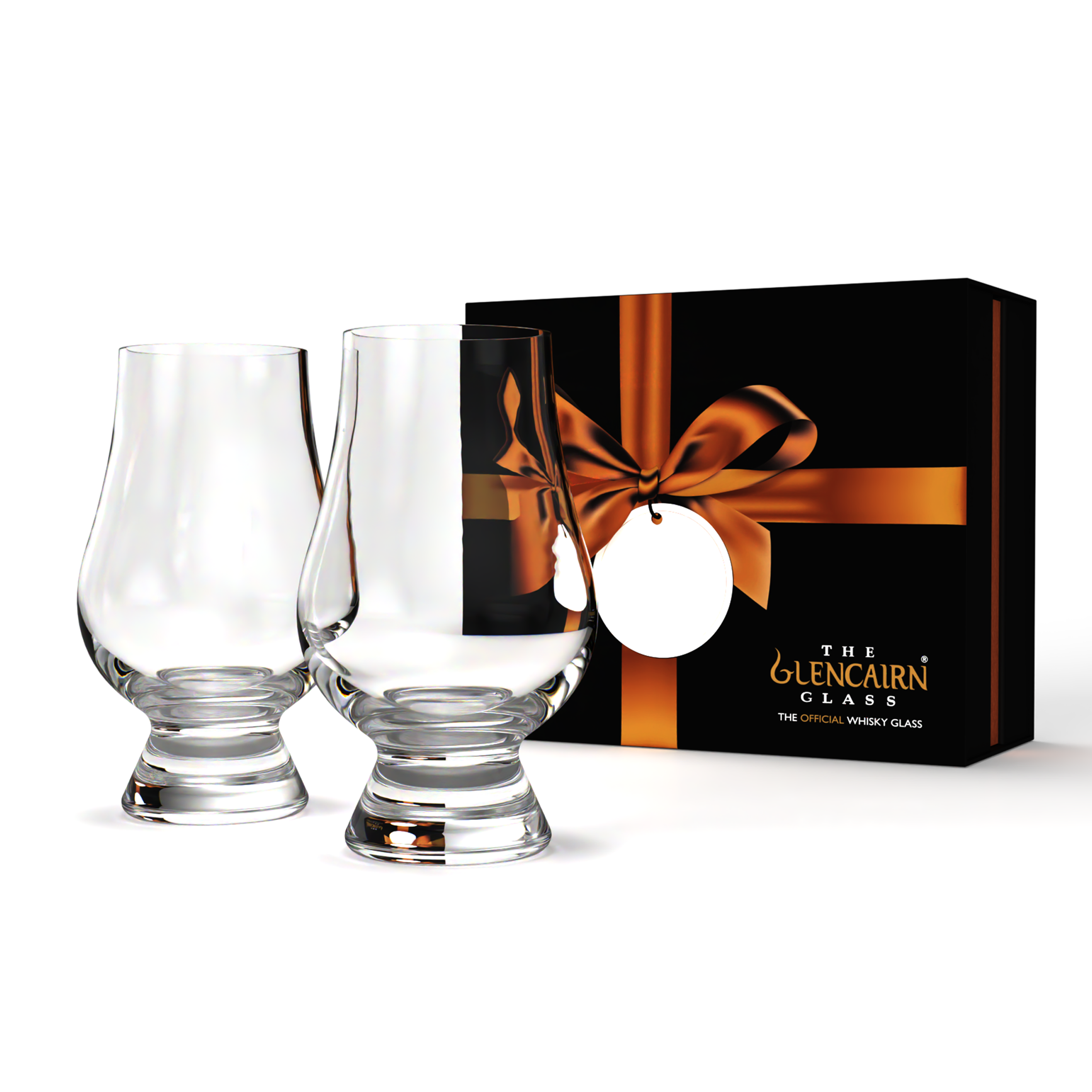 Glencairn Crystal
Glencairn Glass, pair in travel case
Two glasses in a fitted hard case. Built for taking good whisky somewhere that will otherwise hand you a tumbler.
Sets and gift boxesIn stock in Melbourne
A$95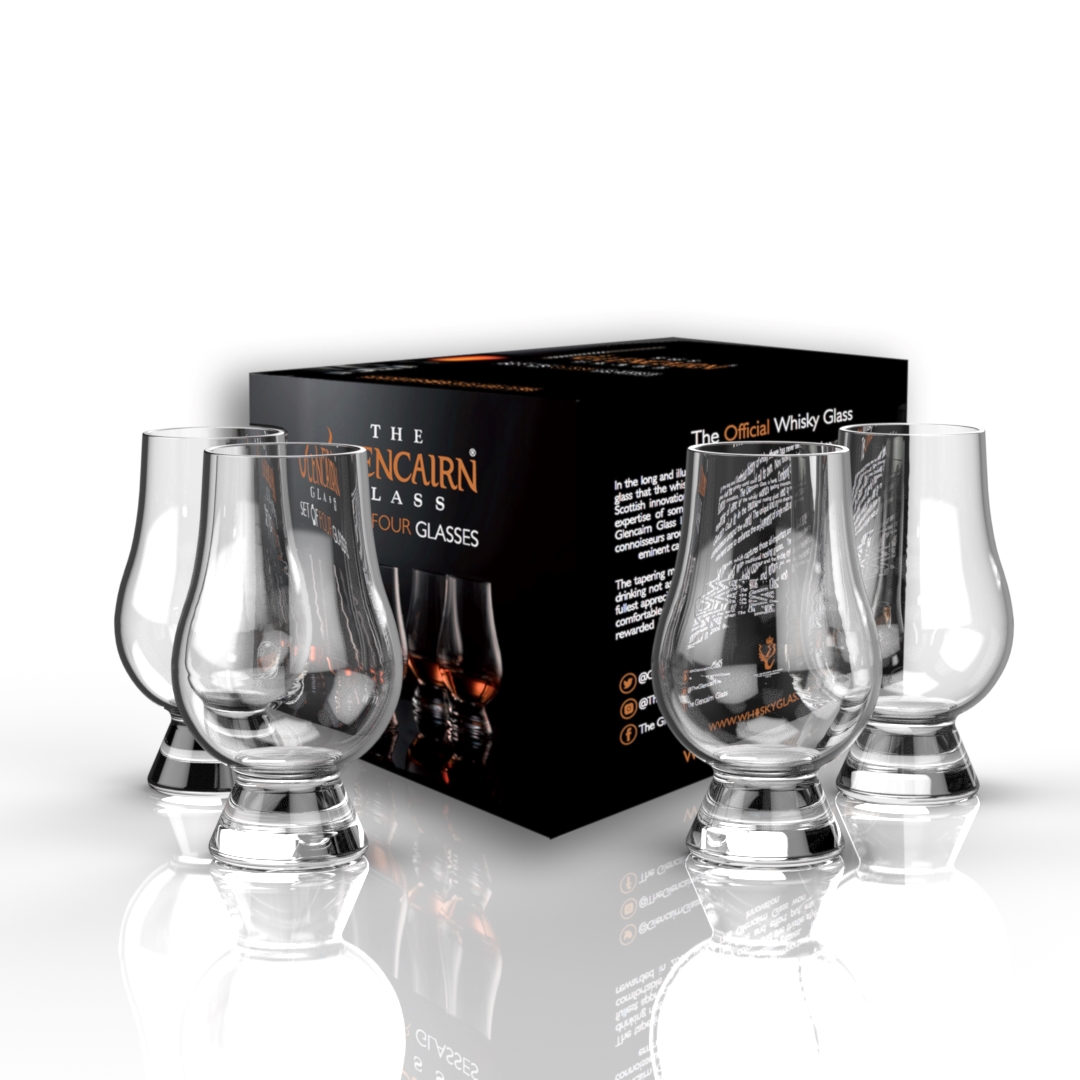 Glencairn Crystal
Glencairn Glass, four in gift carton
Four glasses, which is the number a tasting actually needs. The carton is printed rather than plain.
Sets and gift boxesIn stock in Melbourne
A$60- Glencairn Crystal
Glencairn Glass, pair in presentation box
Two glasses in a rigid lined box. The version to send when it is going straight to someone else.
Sets and gift boxesIn stock in Melbourne
A$55 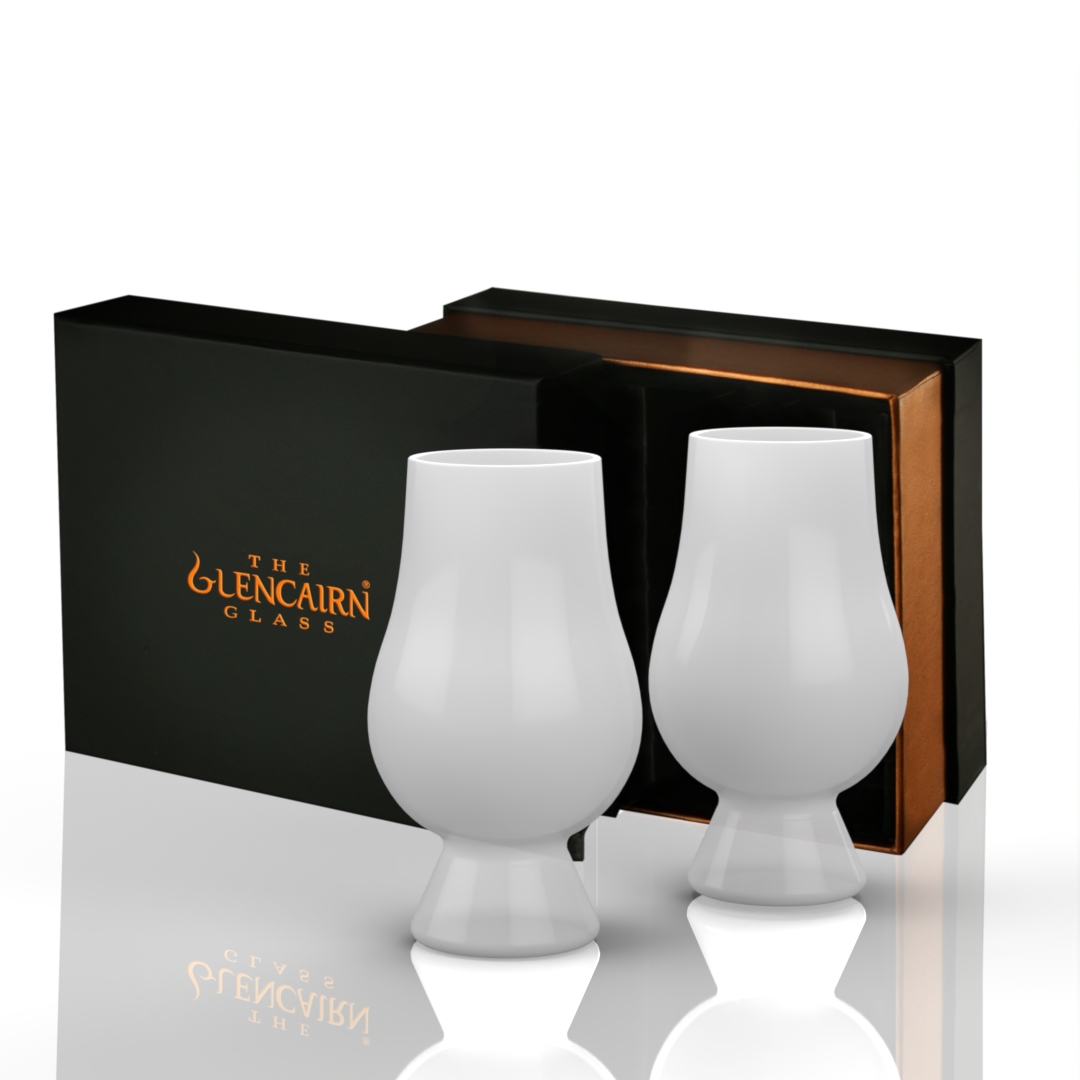 Glencairn Crystal
Glencairn Glass, twin gift carton
The same two glasses in a printed carton instead of a box. Twenty dollars less for identical crystal.
Sets and gift boxesIn stock in Melbourne
A$35
Glasses6
 Glencairn Crystal
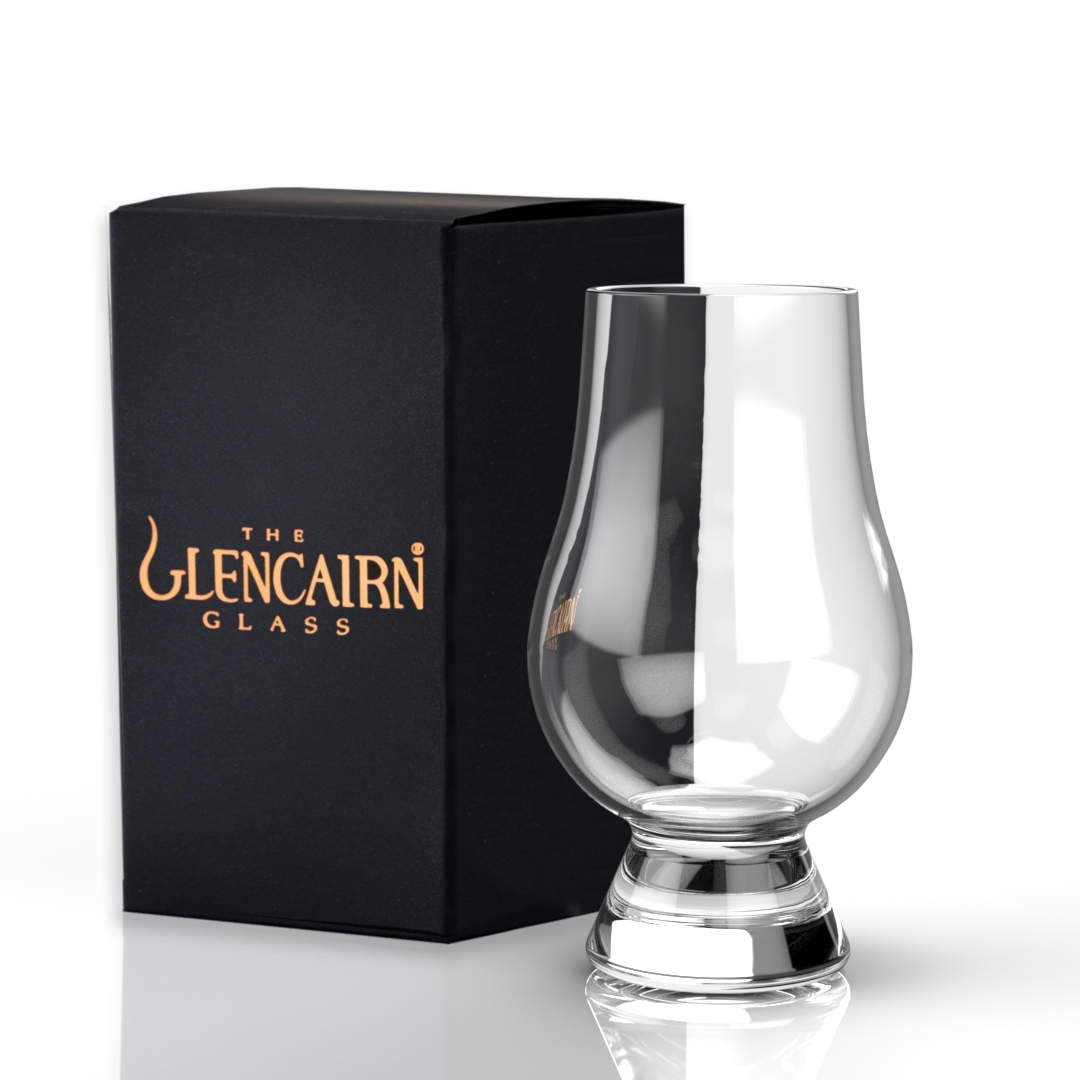
Glencairn Glass in gift carton
The glass itself. Designed in 2001 by Raymond Davidson, adopted by every distillery that matters, and the reason a dram smells like anything at all.
GlassesIn stock in Melbourne
A$17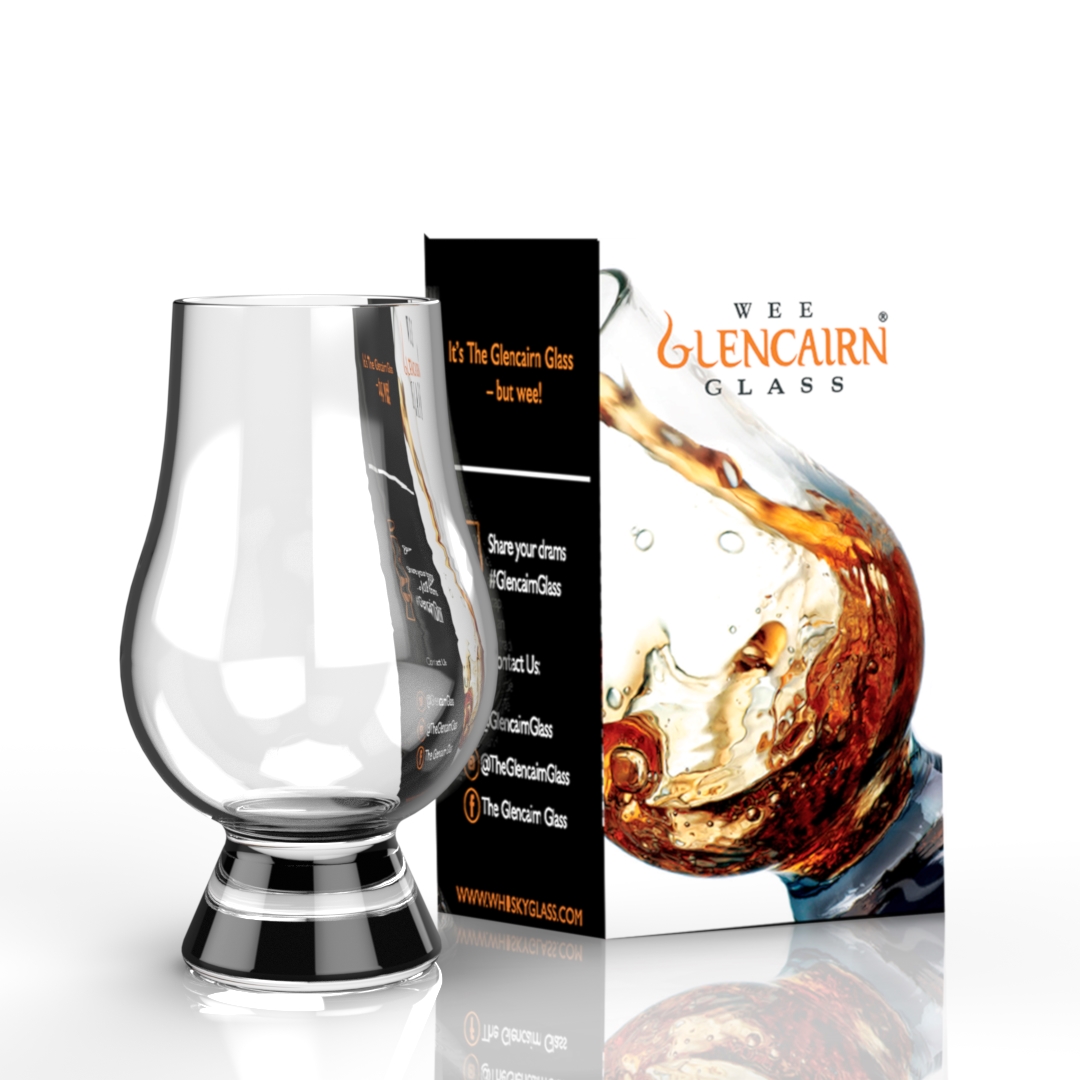 Glencairn Crystal
Wee Glencairn Glass in gift carton
70ml, the same shape scaled down. Made for cask strength, where a full measure is a mistake you only make once.
GlassesIn stock in Melbourne
A$17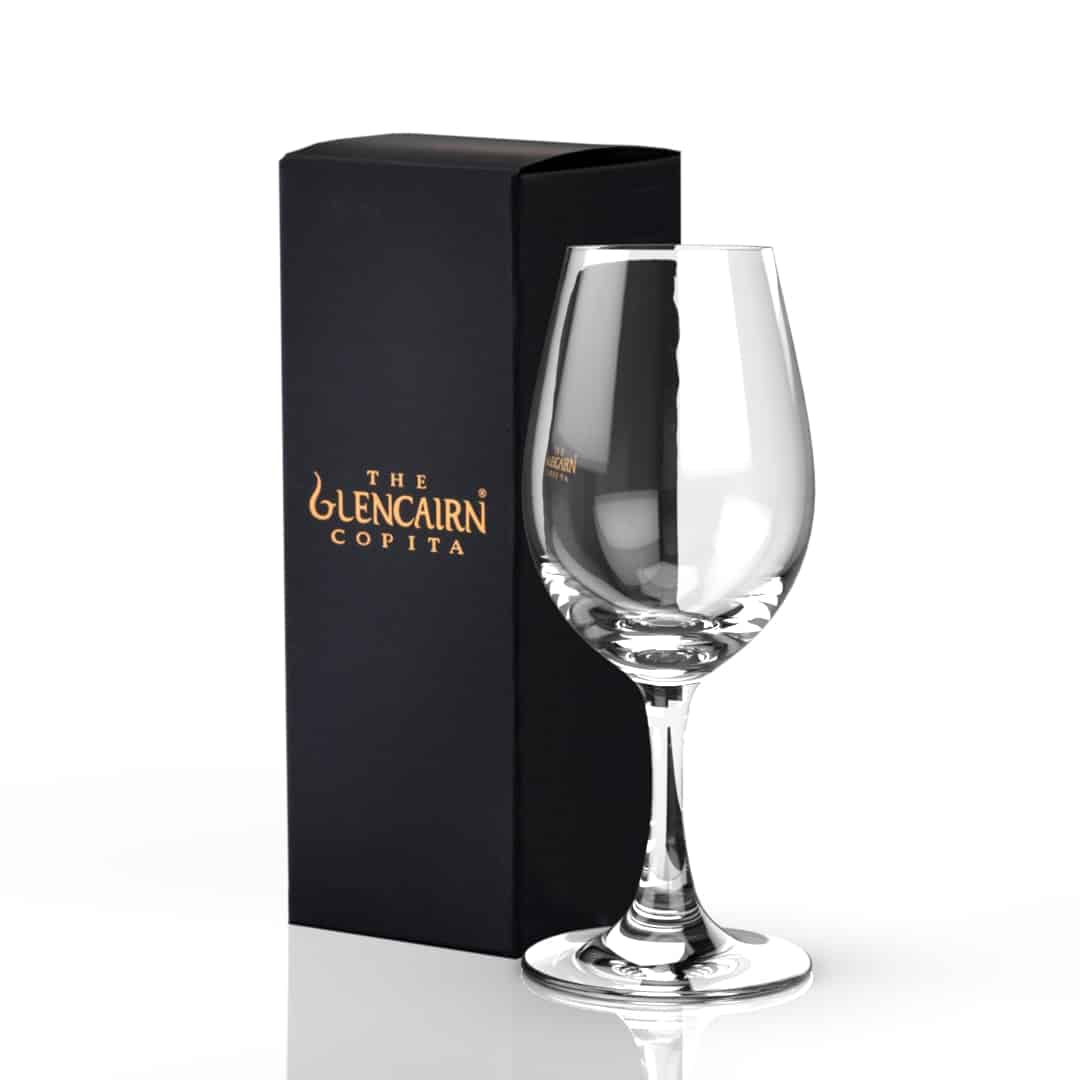 Glencairn Crystal
Glencairn Copita in gift carton
The stemmed one, 120ml. A copita keeps your hand off the bowl, which is what you want when the whisky is already warm enough.
GlassesIn stock in Melbourne
A$18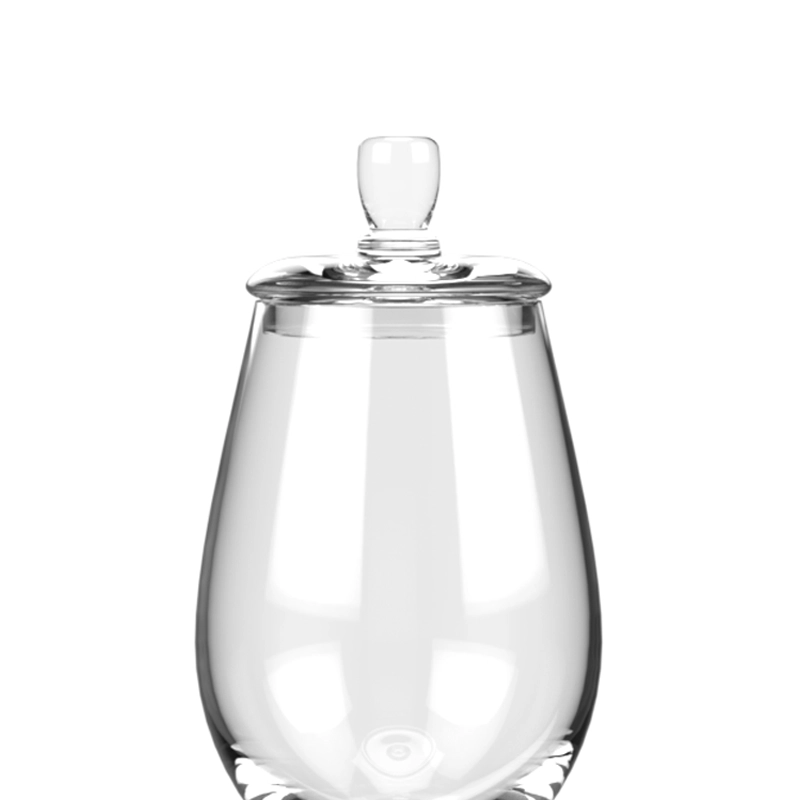 Glencairn Crystal
Glencairn Glass with tasting lid
Glass and watch-glass lid together. Cover it, leave it a minute, and what you get back is concentrated rather than evaporated.
GlassesIn stock in Melbourne
A$25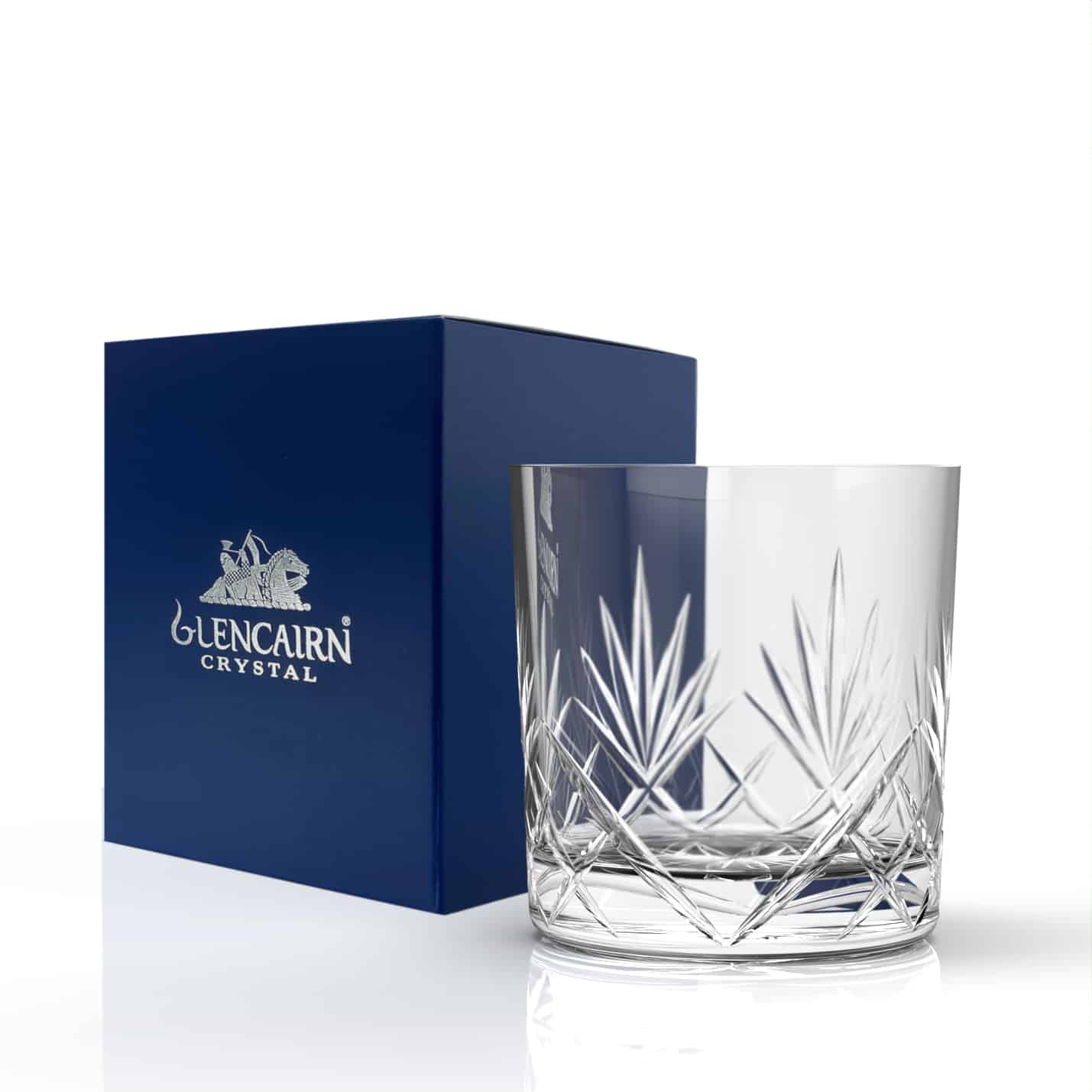 Glencairn Crystal
Skye Rocks Tumbler in gift carton
Cut crystal with a weighted base, from Glencairn's Skye range. For the drinkers who were never going to use a nosing glass.
GlassesIn stock in Melbourne
A$45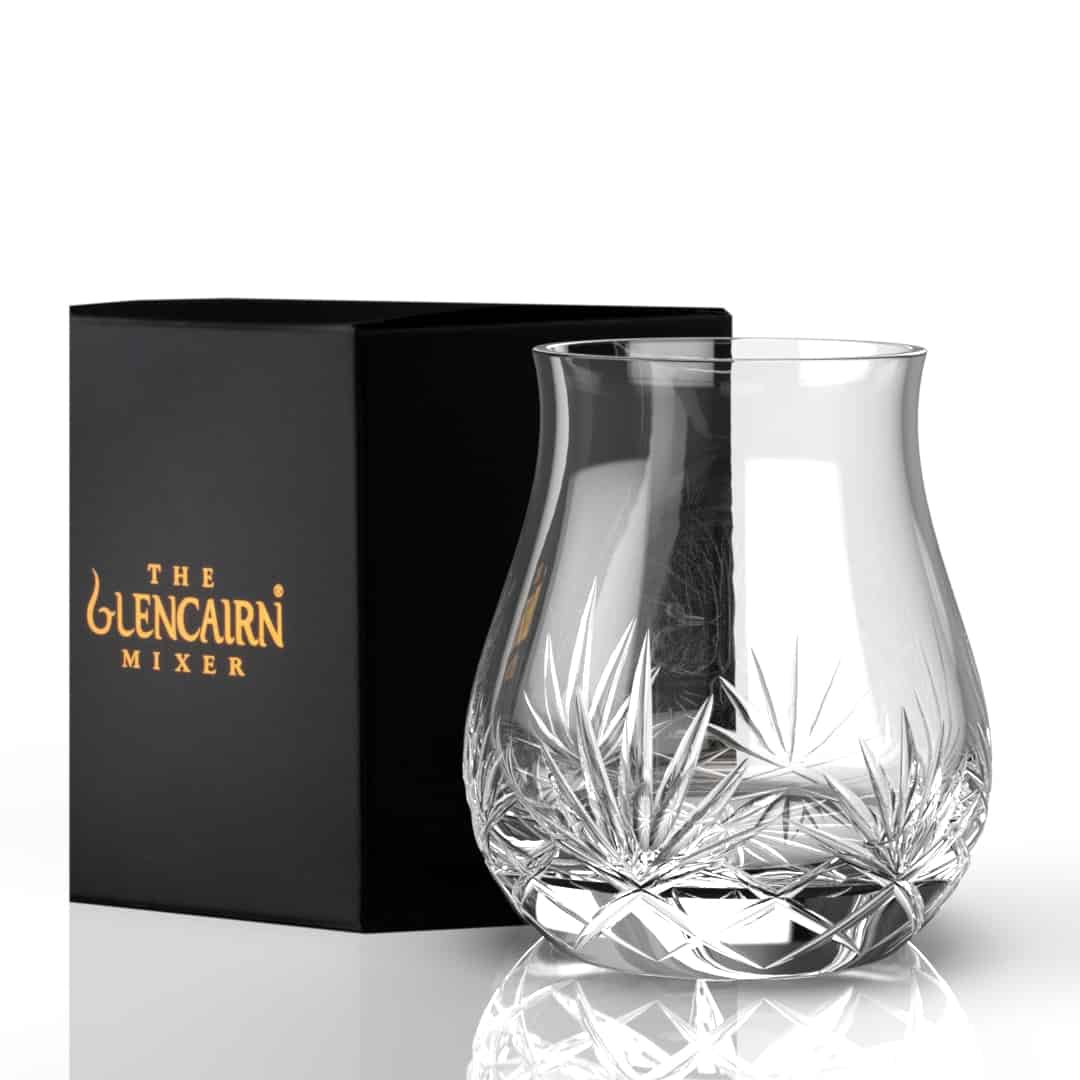 Glencairn Crystal
Paris Cut Cocktail Mixer
A cut mixing glass, heavy enough to stir against. The one piece here that belongs on a cocktail station rather than a tasting bench.
GlassesIn stock in Melbourne
A$65
The coloured range5
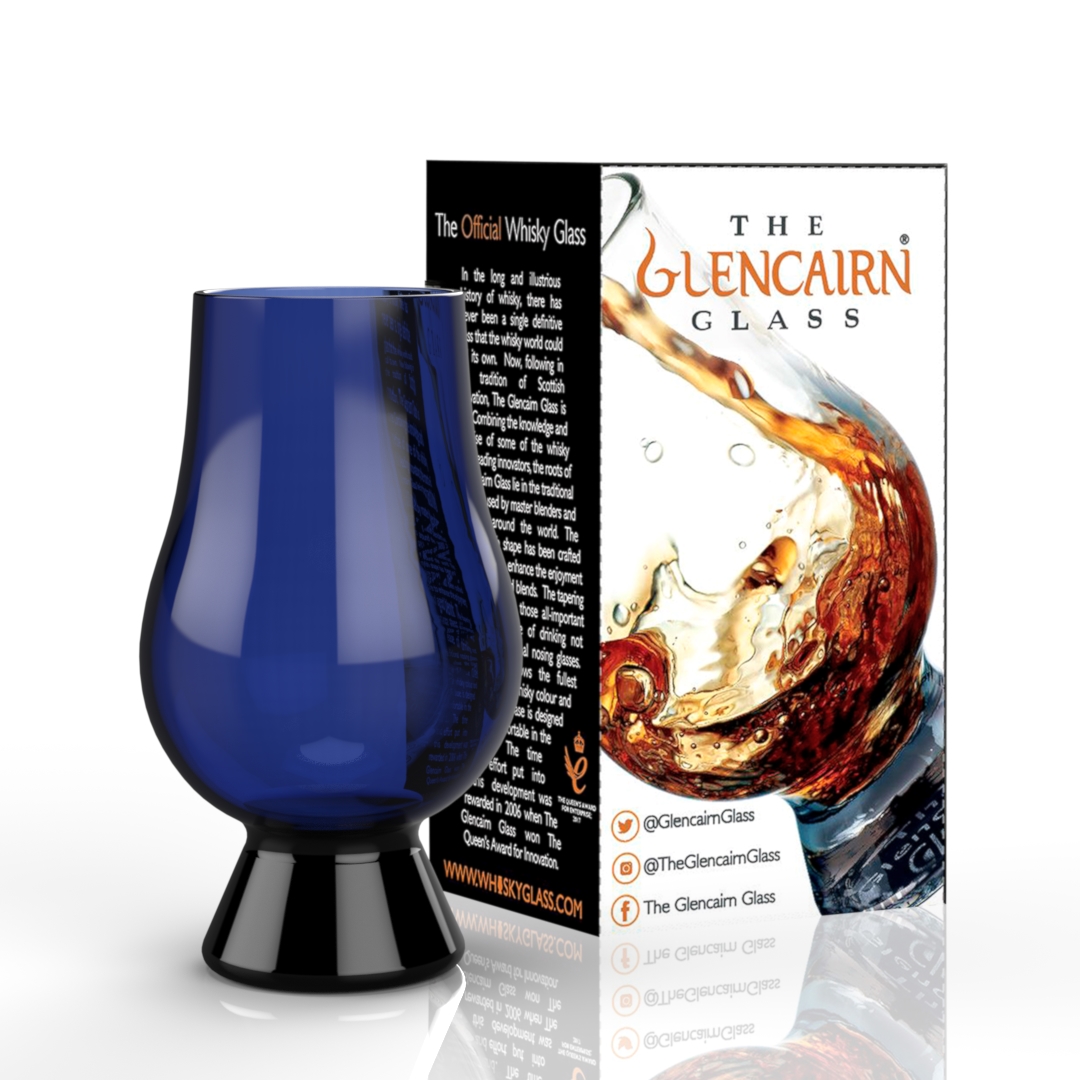 Glencairn Crystal
Blue Glencairn Glass in gift carton
The standard glass in coloured crystal. Same bowl, same nose, and far easier to tell apart at a table of six.
The coloured rangeIn stock in Melbourne
A$22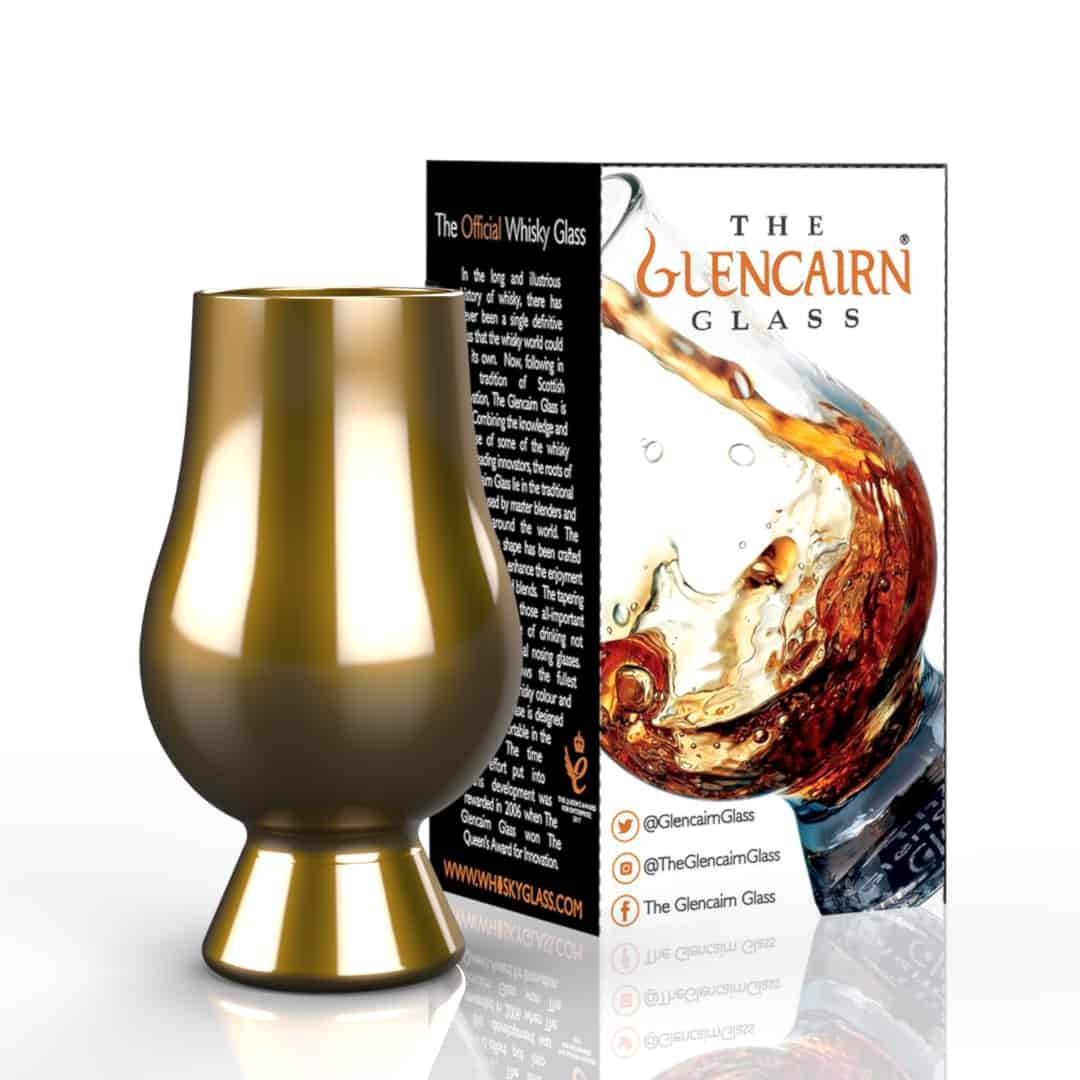 Glencairn Crystal
Gold Glencairn Glass in gift carton
The warmest of the six, and the one that flatters a sherried whisky before you have even lifted it.
The coloured rangeIn stock in Melbourne
A$22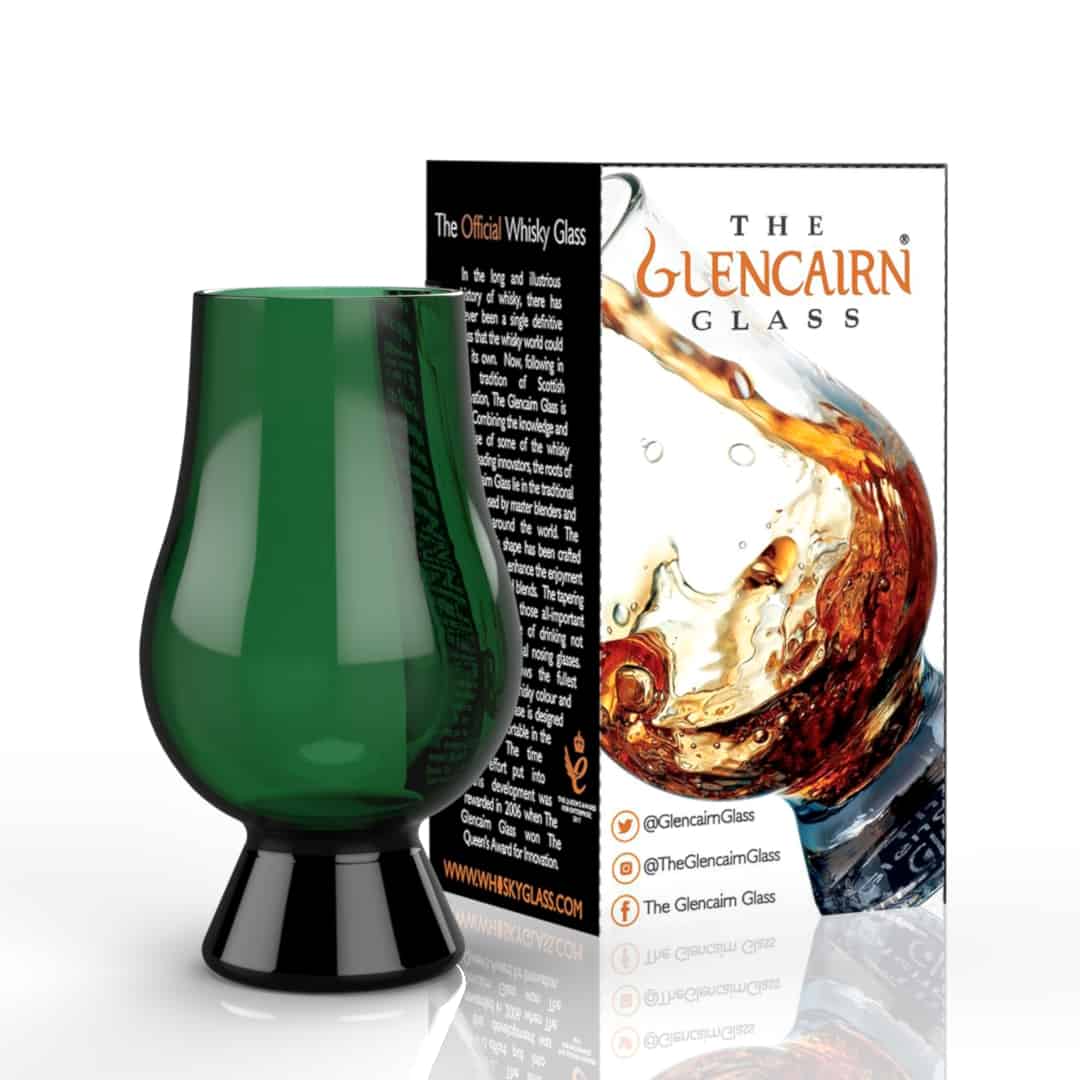 Glencairn Crystal
Green Glencairn Glass in gift carton
Deep bottle green. Traditionally the blender's colour, because it hides the spirit's own and stops the eye arguing with the nose.
The coloured rangeIn stock in Melbourne
A$22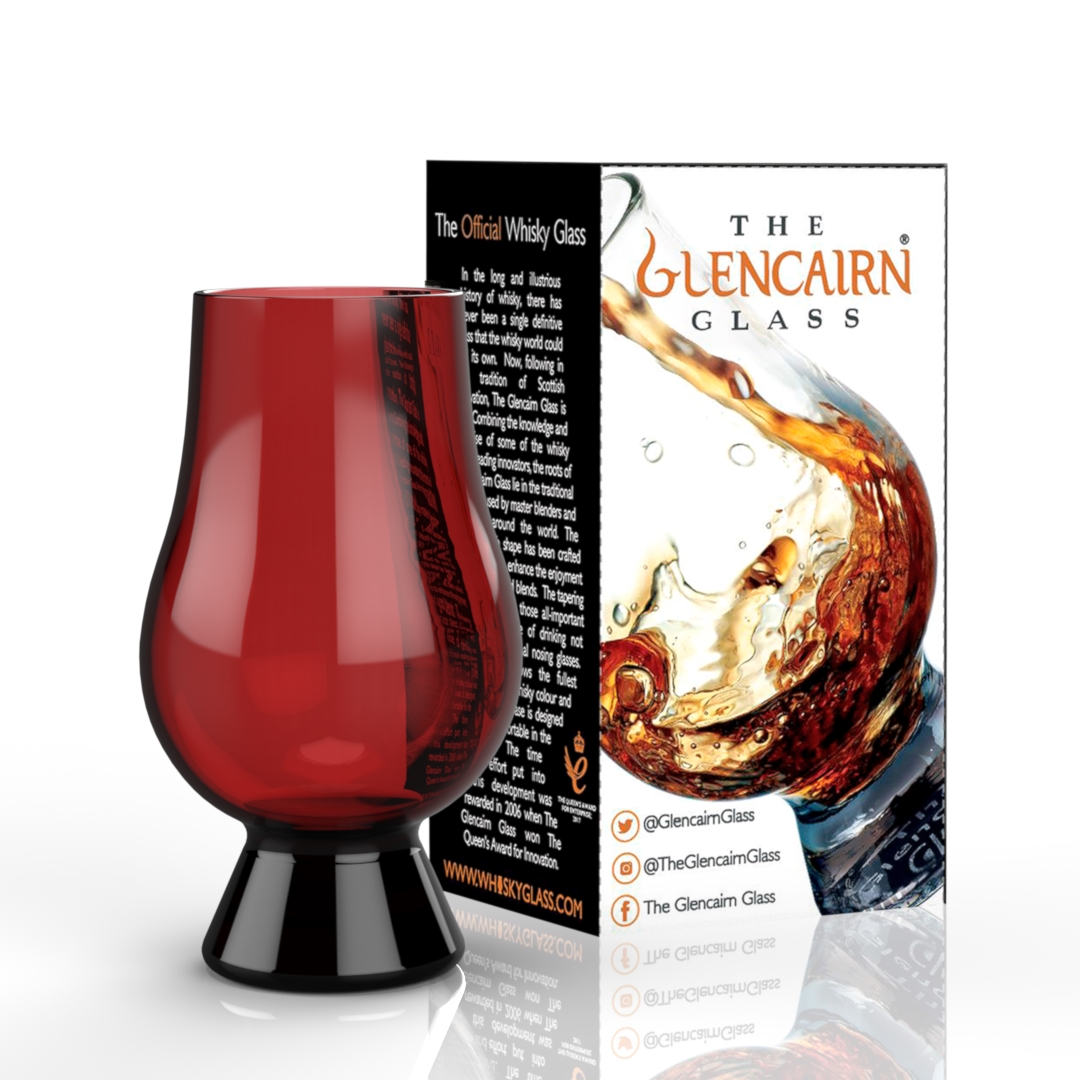 Glencairn Crystal
Red Glencairn Glass in gift carton
The loudest of the set. Sells at Christmas and barely moves the rest of the year, which is worth knowing before you order six.
The coloured rangeIn stock in Melbourne
A$22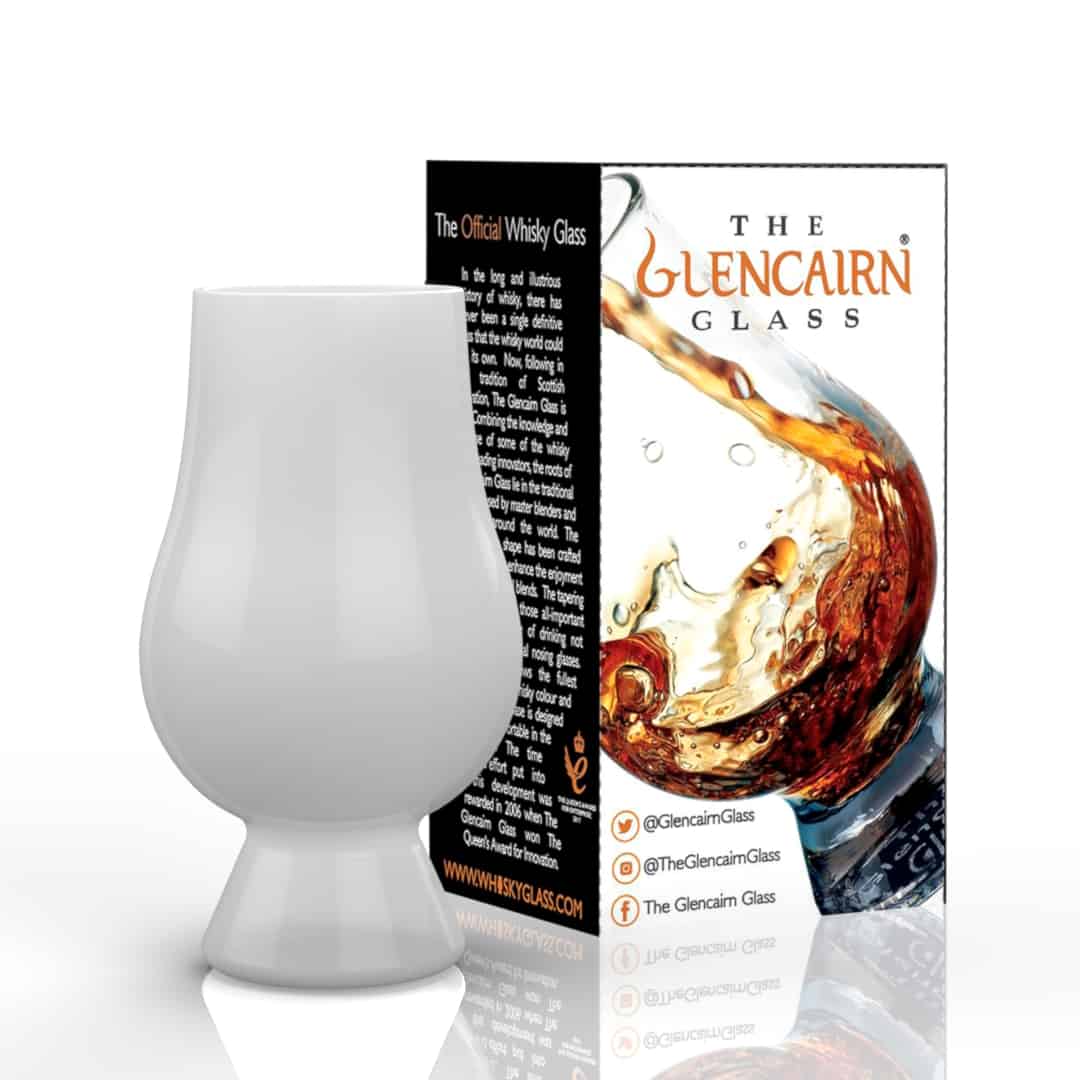 Glencairn Crystal
White Glencairn Glass in gift carton
Opaque white, the blind-tasting glass. You cannot see the colour, so you cannot guess the age or the cask before you have smelled it.
The coloured rangeIn stock in Melbourne
A$22
Water jugs1
 Glencairn Crystal
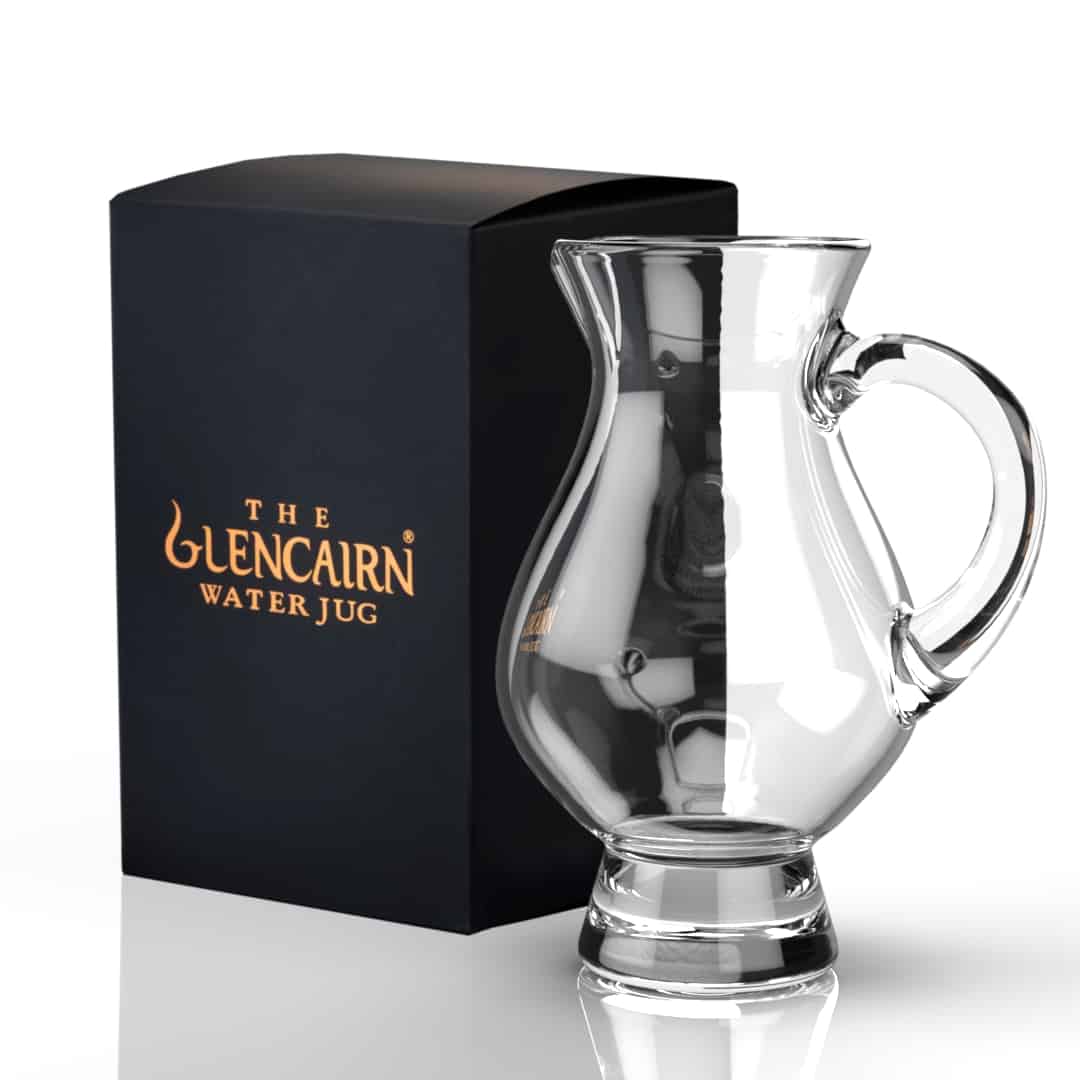
Glencairn Water Jug in gift carton
Small enough to pour drops rather than splashes, which is the whole argument for owning one.
Water jugsIn stock in Melbourne
A$48
Held in Australia, not ordered from Britain. Alba Whisky carry this stock in Victoria, which is why there is no two to three week wait on it the way there is on the Japanese glass. Stock levels move, so an order is confirmed against the warehouse before it is charged rather than after.
Photographs and the shape of the range are Glencairn’s own. A few lines they list are deliberately absent: the bare trade cartons, which arrive unpackaged by the case and suit a bar rather than a buyer, and the cut crystal Tartan pieces, which were out of stock when this page was built and will be added when they return.
Not seeing it?
We buy from dealers and at auction worldwide, and most of what we handle never appears on a shelf at all. Tell us what you are after and we will go and look for it, say honestly whether it is worth the money, and agree our part before anything is bid.
Tell us what you are afterHow Scotland came to make it
- 1494Malt is sent to Friar John Cor to make aqua vitae
- 1644The first excise duty is levied on Scots spirits
- 1823The Excise Act makes licensed distilling worth doing
Scotch begins as beer. Barley is malted, mashed with hot water and fermented with yeast into a wash of around eight percent, which is essentially an unhopped ale, and only then does it meet a still. The brewing half of that sequence is the older half, and it is what a distillery's washbacks are still doing today.
The written record starts in 1494, when the Exchequer Rolls note malt delivered to a friar to make aqua vitae. For the next three centuries most production was small, rural and untaxed. The Excise Act of 1823 made a licence affordable enough to be worth holding, and the distilleries that supply this shelf, including the silent ones, almost all date their continuous working life from that point.