Origin
Netherlands
Oude genever and korenwijn in original stoneware
41 lots held
Twelve from the Netherlands shelf
Held means the lot is in bonded storage and available. Reserved means a buyer has it under offer. Prices are what we last traded the bottling at.
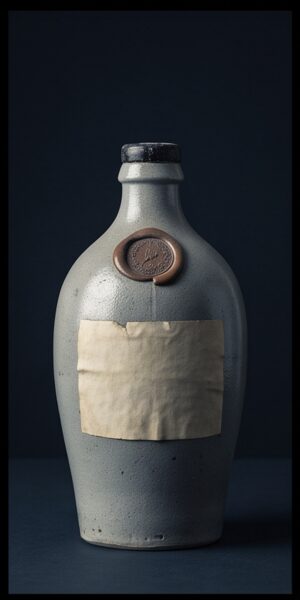 Lot 012
Van Duren 1955
Oude genever, original salt glazed crock
195538.0%1L
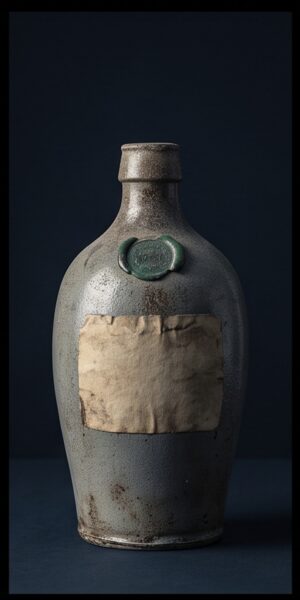 Lot 201
Beemster Korenwijn 1968
Korenwijn, cask aged
196838.5%1L
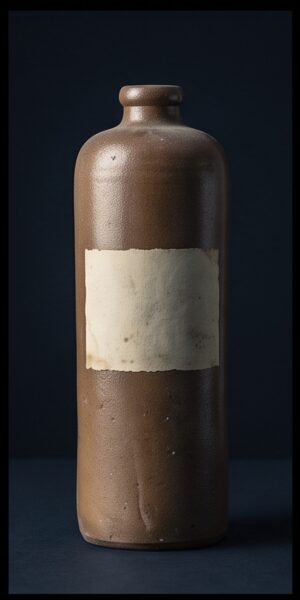 Lot 202
Van Duren 1938
Oude genever, pre war crock
193838.0%1L
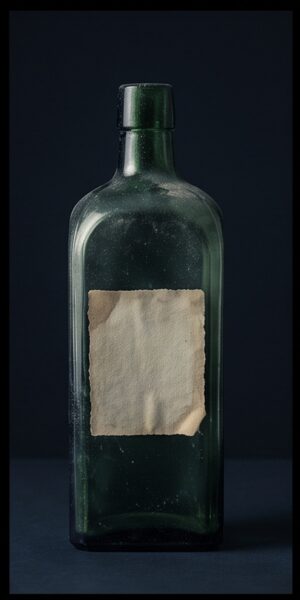 Lot 203
Schiedam Moutwijn 1947
Malt wine, single distillery
194746.0%1L
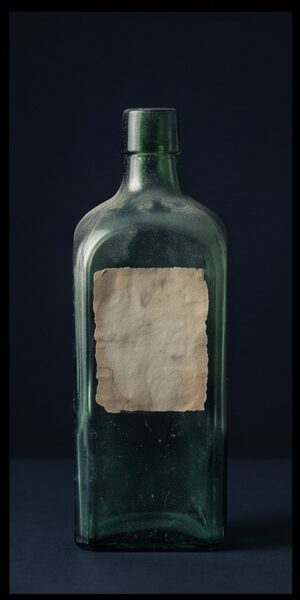 Lot 204
Beemster Korenwijn 1952
Korenwijn, oak rested
195238.5%1L
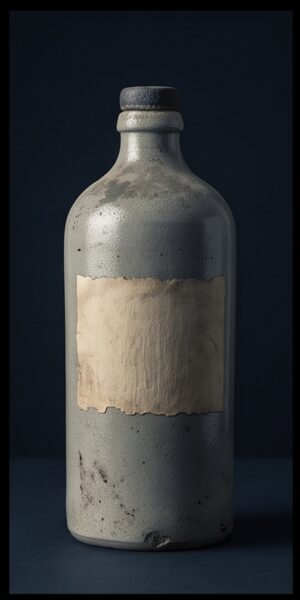 Lot 205
Van Duren 1974
Oude genever, stoneware
197438.0%1L
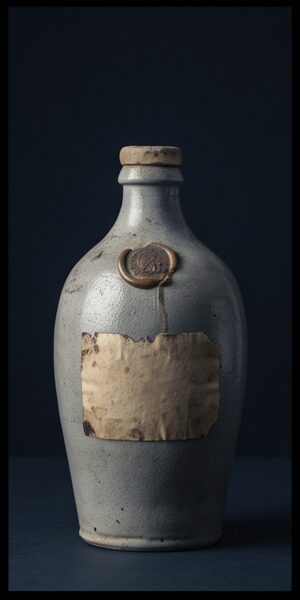 Lot 206
Jonge Graan 1961
Jonge genever, glass bottling
196135.0%1L
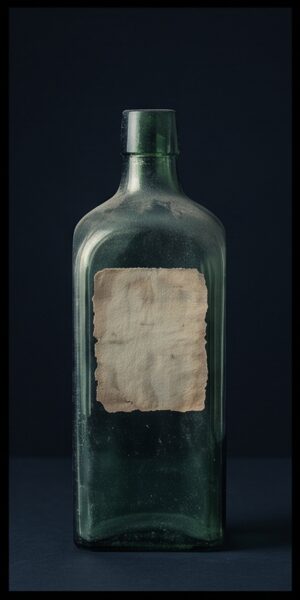 Lot 207
Schiedam Moutwijn 1929
Malt wine, pre war
192947.0%1L
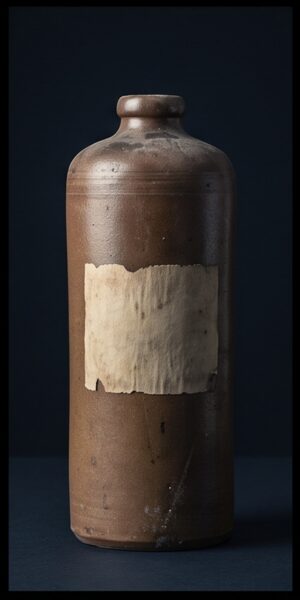 Lot 208
Zeeuwse Korenwijn 1965
Korenwijn, provincial bottling
196538.0%1L
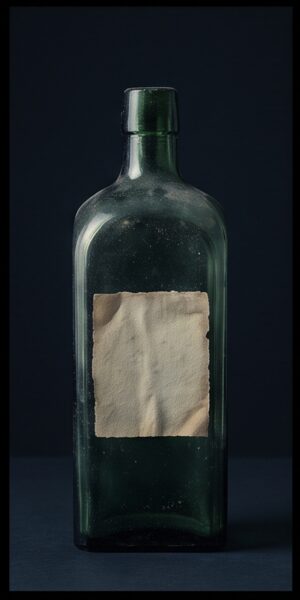 Lot 209
Van Duren 1912
Oude genever, earliest crock held
191238.0%1L
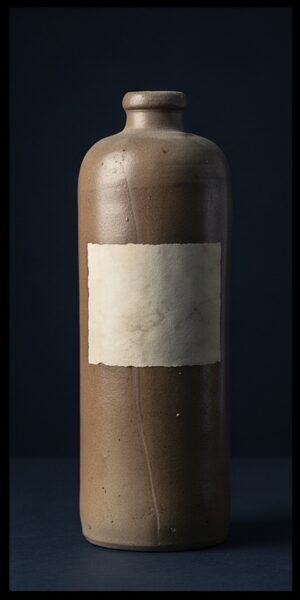 Lot 210
Beemster Korenwijn 1983
Korenwijn, cask aged
198338.5%1L
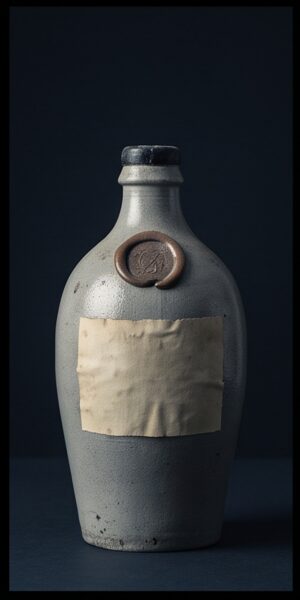 Lot 211
Oude Meester 1958
Oude genever, family reserve
195838.0%1L
Serving pieces from Netherlands
Nothing from Netherlands on the shelf yet. We would rather say so than pad the page out with things we do not have.
Not seeing it?
We buy from dealers and at auction worldwide, and most of what we handle never appears on a shelf at all. Tell us what you are after and we will go and look for it, say honestly whether it is worth the money, and agree our part before anything is bid.
Tell us what you are afterHow Netherlands came to make it
- 1575Lucas Bols begins distilling in Amsterdam
- 1600sDutch traders carry brandewijn across Europe
- 1800sSchiedam works hundreds of malt wine distilleries at once
The Dutch contribution to fermentation has less to do with their own drinking than with everyone else's. Dutch merchants ran the sixteenth and seventeenth century trade in brandewijn, wine boiled down for the voyage, and in doing so effectively created the market that turned Cognac and Armagnac into industries.
At home the drink is jenever, made by distilling a mash of malted grain into what is called malt wine and flavouring it with juniper. Lucas Bols began distilling in Amsterdam in 1575, and by the nineteenth century Schiedam had hundreds of malt wine distilleries working at once. Oude jenever keeps a high proportion of that malt wine, which is why it tastes closer to a young whisky than to gin, and why the best of it was sold in stoneware that protects the contents better than glass.