Origin
South Korea
Pre ban grain soju and nuruk fermented rice wines
58 lots held
Twelve from the South Korea shelf
Held means the lot is in bonded storage and available. Reserved means a buyer has it under offer. Prices are what we last traded the bottling at.
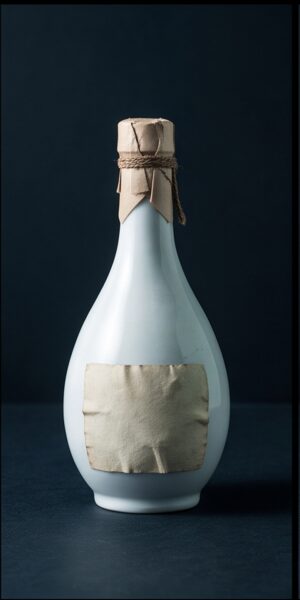 Lot 112
Cheonggang 1961
Andong grain soju, distilled before the ban
196145.0%500ml
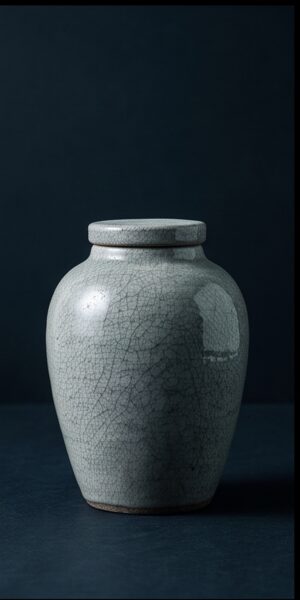 Lot 901
Andong Baekje 1958
Grain soju, pre ban distillation
195845.0%500ml
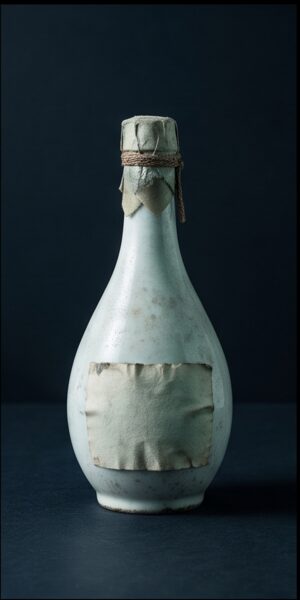 Lot 902
Munbae 1964
Grain soju, wild pear aroma
196440.0%500ml
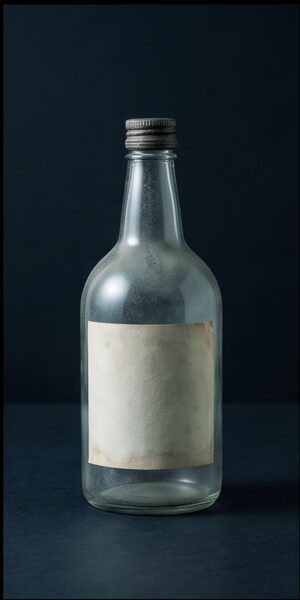 Lot 903
Hansan Sogokju 1970
Nuruk rice wine, cellar aged
197018.0%750ml
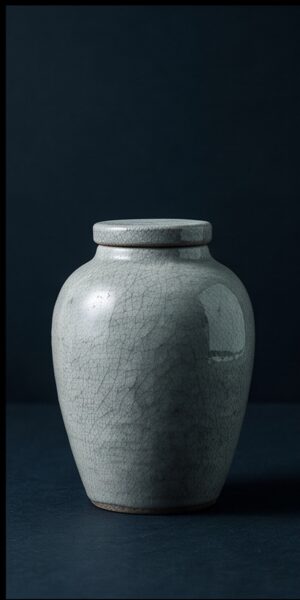 Lot 904
Cheonggang 1955
Andong grain soju
195545.0%500ml
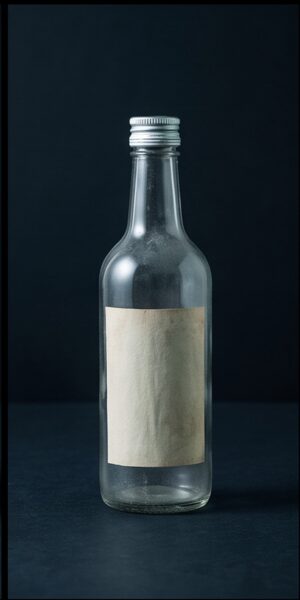 Lot 905
Gyeongju Beopju 1968
Nuruk rice wine, court recipe
196816.0%750ml
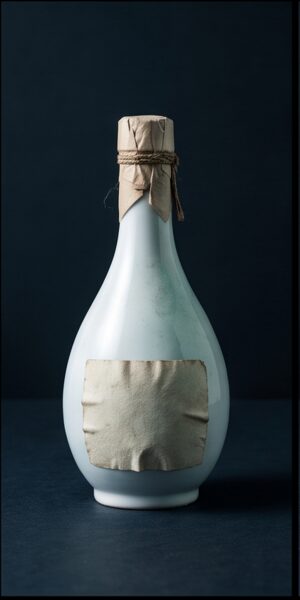 Lot 906
Jeju Omegi 1962
Millet based, island distillation
196240.0%500ml
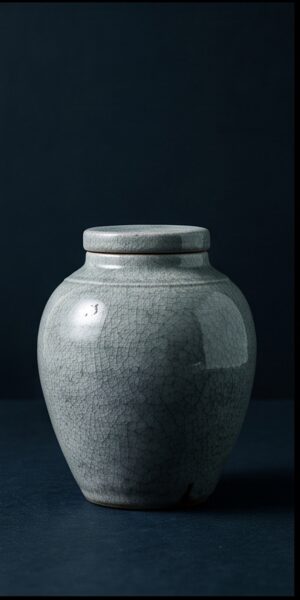 Lot 907
Andong Baekje 1963
Grain soju, pre ban distillation
196345.0%500ml
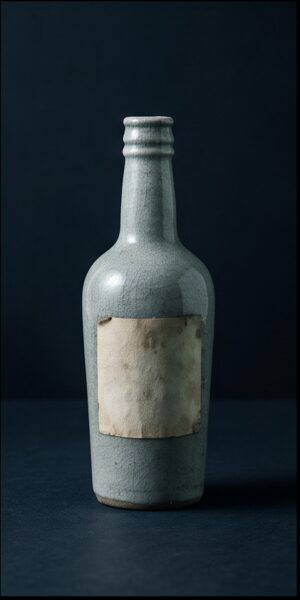 Lot 908
Songjeol 1972
Pine node rice wine
197217.0%750ml
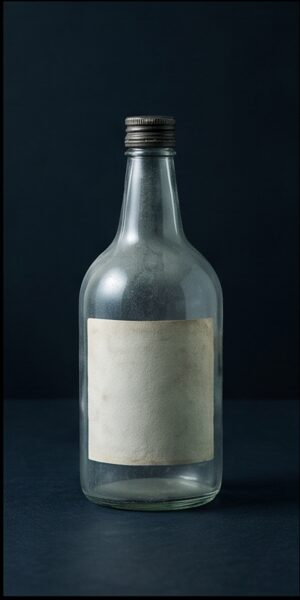 Lot 909
Munbae 1959
Grain soju, wild pear aroma
195940.0%500ml
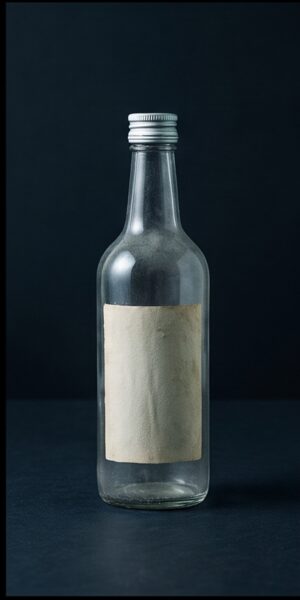 Lot 910
Hansan Sogokju 1981
Nuruk rice wine, small batch
198118.0%750ml
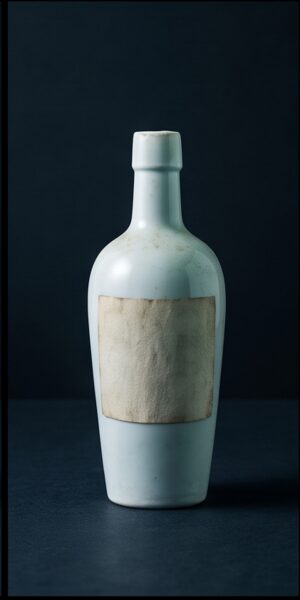 Lot 911
Cheonggang 2001
Andong grain soju, first run after the ban
200145.0%500ml
Serving pieces from South Korea
Nothing from South Korea on the shelf yet. We would rather say so than pad the page out with things we do not have.
Not seeing it?
We buy from dealers and at auction worldwide, and most of what we handle never appears on a shelf at all. Tell us what you are after and we will go and look for it, say honestly whether it is worth the money, and agree our part before anything is bid.
Tell us what you are afterHow South Korea came to make it
- 1200sDistilling arrives with the Mongol campaigns and settles at Kaesong, Andong and Jeju
- 1909A colonial liquor tax law licenses brewing and pushes it out of the home
- 1965Distilling soju from grain is banned, and not fully allowed again until 1999
Korea ferments with nuruk, a cake of crushed wheat or rice left open to whatever wild yeasts and moulds settle on it. It is a wilder and far less controlled starter than the cultivated koji used in Japan, and it is what gives makgeolli, the cloudy unfiltered rice wine that predates everything else on this shelf, its sourness.
Distilling arrived in the thirteenth century with the Mongol campaigns, carried east from Persia, and the garrison towns of Kaesong, Andong and Jeju became the centres of it. Around Kaesong the drink is still sometimes called arak-ju, which keeps the Arabic root of the word intact. The scarcity here has one specific cause: in 1965, with rice short, distilling soju from grain was banned outright and the industry moved to diluted ethanol. The ban was not fully lifted until 1999, so grain soju from before it, and the regional rice wines that survived alongside it, are genuinely difficult to find.