Origin
Russia
State distillery vodka and cellar balsams
97 lots held
Twelve from the Russia shelf
Held means the lot is in bonded storage and available. Reserved means a buyer has it under offer. Prices are what we last traded the bottling at.
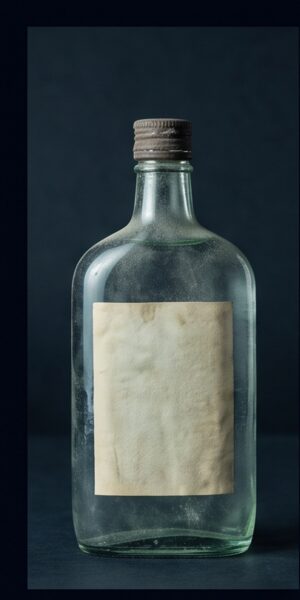 Lot 017
Kessler Reserve 1959
Rye vodka, state distillery bottling
195940.0%500ml
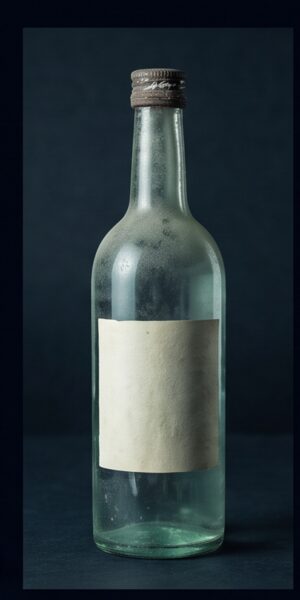 Lot 701
Zimniy Cellar 1971
Winter wheat vodka, state bottling
197140.0%500ml
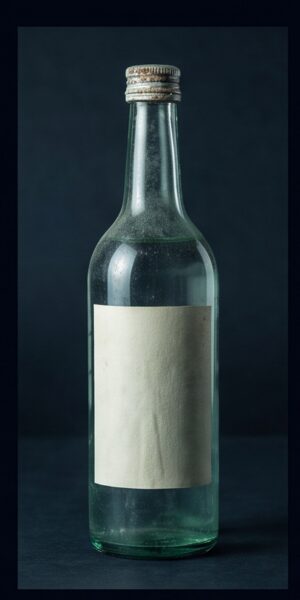 Lot 702
Kessler Reserve 1948
Rye vodka, post war bottling
194840.0%500ml
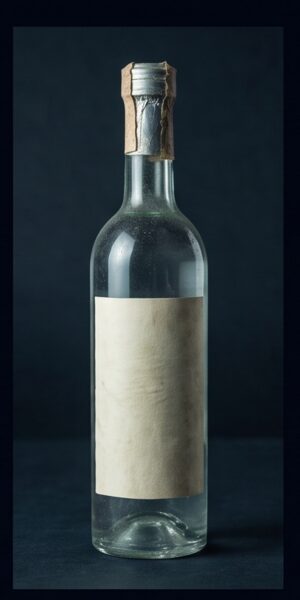 Lot 703
Balsam Rizhsky 1966
Herbal balsam, ceramic bottle
196645.0%500ml
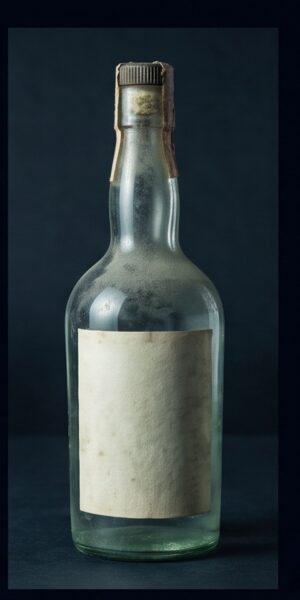 Lot 704
Starka 1954
Aged rye vodka, oak rested
195443.0%500ml
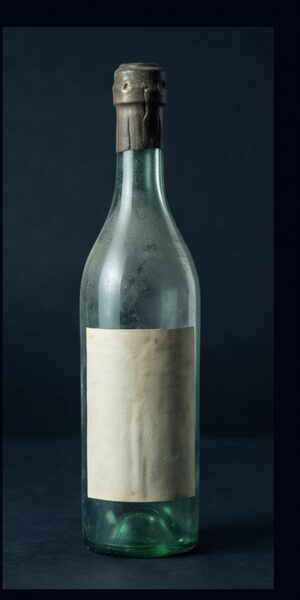 Lot 705
Zimniy Cellar 1962
Winter wheat vodka
196240.0%750ml
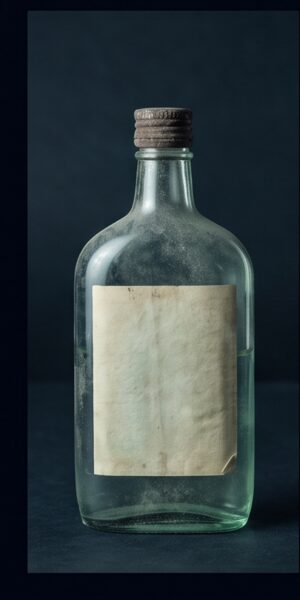 Lot 706
Pshenichnaya 1975
Wheat vodka, export bottling
197540.0%500ml
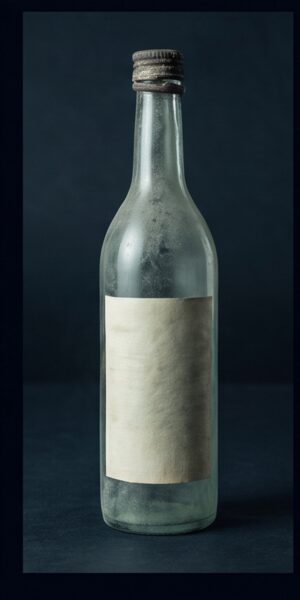 Lot 707
Kessler Reserve 1937
Rye vodka, pre war
193740.0%500ml
 Lot 708
Balsam Rizhsky 1949
Herbal balsam, ceramic bottle
194945.0%500ml
 Lot 709
Okhotnichya 1968
Hunter's vodka, spiced
196845.0%500ml
 Lot 710
Starka 1979
Aged rye vodka, oak rested
197943.0%500ml
 Lot 711
Zimniy Cellar 1985
Winter wheat vodka
198540.0%500ml
Serving pieces from Russia
Nothing from Russia on the shelf yet. We would rather say so than pad the page out with things we do not have.
Not seeing it?
We buy from dealers and at auction worldwide, and most of what we handle never appears on a shelf at all. Tell us what you are after and we will go and look for it, say honestly whether it is worth the money, and agree our part before anything is bid.
Tell us what you are afterHow Russia came to make it
- 10th centuryKvass, fermented from rye bread, appears in the chronicles
- 15th centuryBread wine is distilled from rye around Moscow
- 1894Distilling is taken into state monopoly
The Russian fermentation tradition is grain, and specifically rye. Kvass, a mildly alcoholic drink made by fermenting rye bread, appears in the chronicles by the tenth century and was an everyday drink for centuries rather than a curiosity.
What became vodka was called bread wine, khlebnoye vino, and was distilled from a rye mash from around the fifteenth century. The character of the category comes from what happened next: repeated distillation and filtration, later through charcoal, to strip flavour out rather than build it in. The state understood the revenue early and took distilling into monopoly more than once, most completely in 1894, which is why so much surviving stock carries a state bottling mark rather than a producer's name.