Origin
France
Grande Champagne cognac, single cask armagnac and back vintage burgundy
291 lots held
Twelve from the France shelf
Held means the lot is in bonded storage and available. Reserved means a buyer has it under offer. Prices are what we last traded the bottling at.
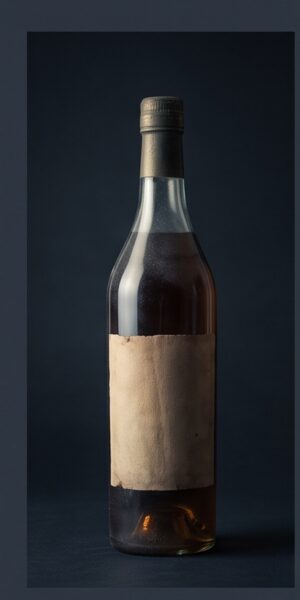 Lot 052
Maison Verrier 1948
Grande Champagne cognac, single estate
194841.0%700ml
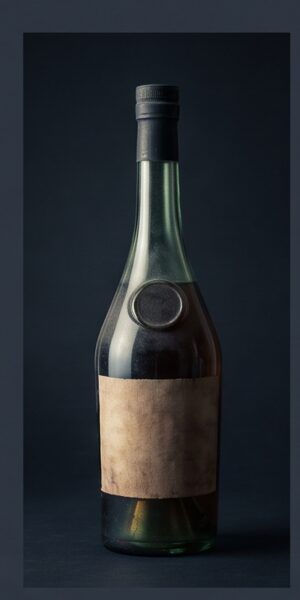 Lot 401
Domaine Sarlat 1934
Bas armagnac, single cask
193443.5%700ml
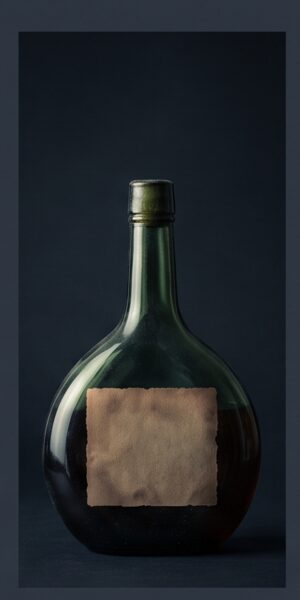 Lot 402
Clos Bellemare 1961
Burgundy, estate bottled
196113.0%750ml
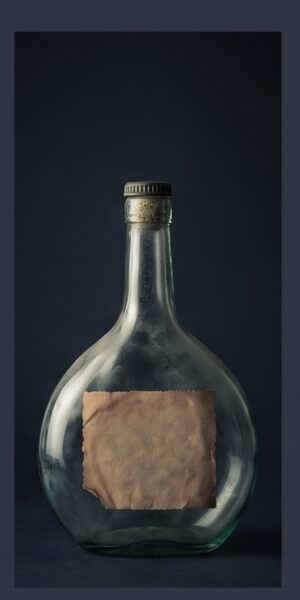 Lot 403
Chateau Vireuil 1959
Pauillac, cellar release
195912.5%750ml
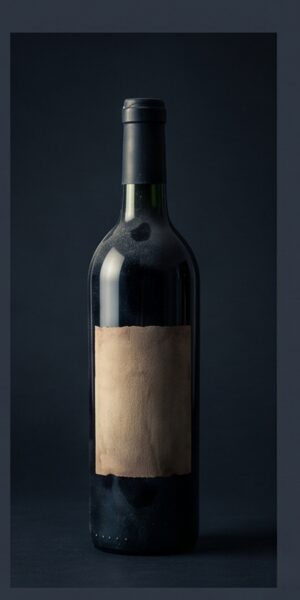 Lot 404
Maison Verrier 1914
Borderies cognac, single estate
191440.5%700ml
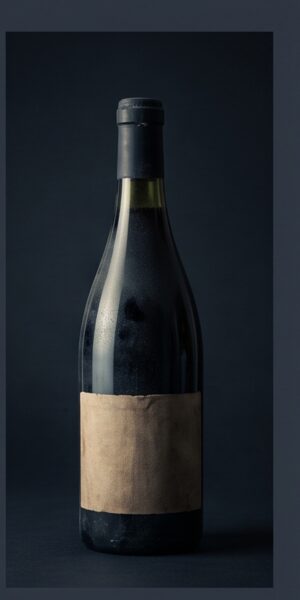 Lot 405
Tenareze 1942
Armagnac, wartime distillation
194244.0%700ml
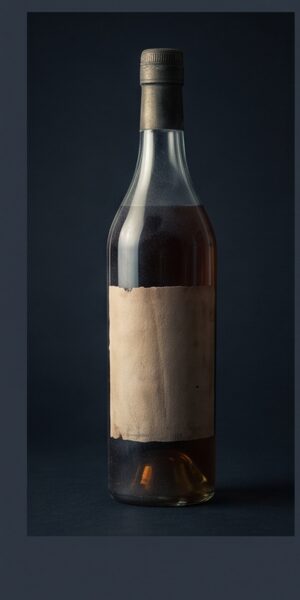 Lot 406
Clos Bellemare 1947
Burgundy, estate bottled
194713.0%750ml
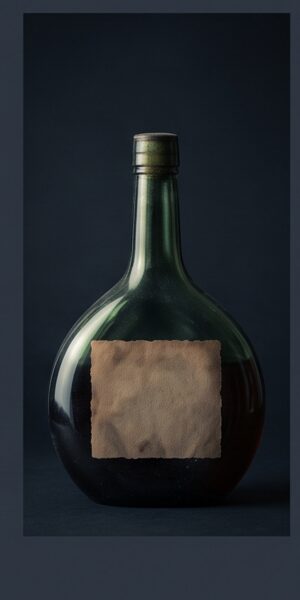 Lot 407
Fins Bois 1955
Cognac, single cask
195542.0%700ml
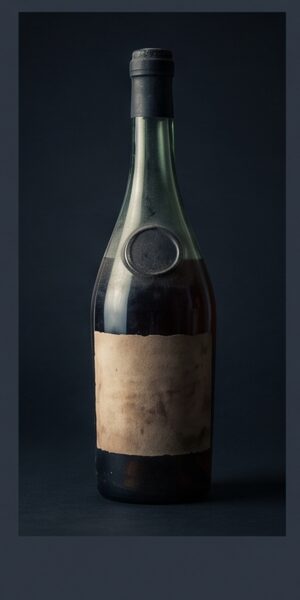 Lot 408
Domaine Sarlat 1968
Bas armagnac, single cask
196845.2%700ml
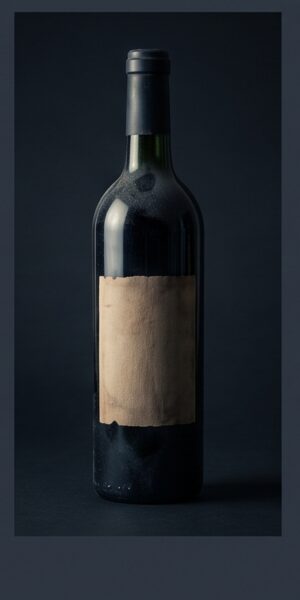 Lot 409
Champagne Roulier 1966
Blanc de blancs, late disgorged
196612.0%750ml
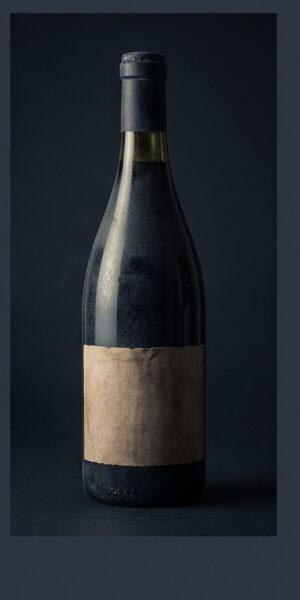 Lot 410
Petite Champagne 1929
Cognac, family reserve
192941.5%700ml
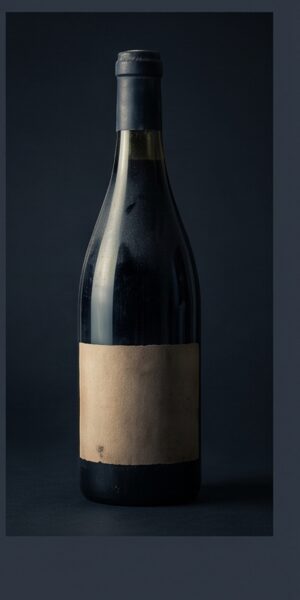 Lot 411
Clos Bellemare 1978
Burgundy, estate bottled
197813.5%750ml
Serving pieces from France
Nothing from France on the shelf yet. We would rather say so than pad the page out with things we do not have.
Not seeing it?
We buy from dealers and at auction worldwide, and most of what we handle never appears on a shelf at all. Tell us what you are after and we will go and look for it, say honestly whether it is worth the money, and agree our part before anything is bid.
Tell us what you are afterHow France came to make it
- 600 BCGreek settlers plant vines on the Mediterranean coast
- 1310A prior at Eauze writes down the virtues of the local spirit
- 1600sDutch merchants create the trade in brandewijn
France fermented long before it distilled. Greek settlers brought vines to the Mediterranean coast around 600 BC and the Romans carried them north, so by the time distilling arrived the country already had a wine industry to distil from.
Armagnac has the older paper trail: in 1310 a prior at Eauze set down forty virtues of the local eau de vie, which makes it one of the earliest documented brandies in Europe. Cognac came later, and for a foreign reason. Dutch merchants in the 1600s wanted wine concentrated for the voyage home and called the result brandewijn, burnt wine. The double distillation in Charentais pot stills that the region still uses was worked out to serve that trade.