Origin
Italy
Monastic amari, vermouth di Torino and library release Barolo
122 lots held
Twelve from the Italy shelf
Held means the lot is in bonded storage and available. Reserved means a buyer has it under offer. Prices are what we last traded the bottling at.
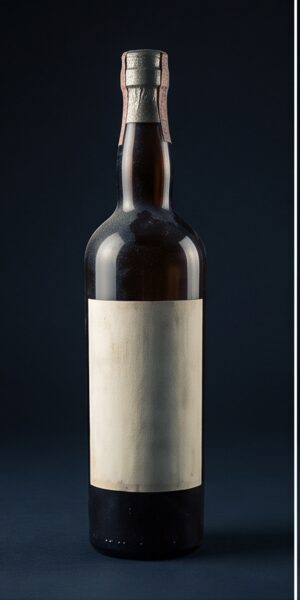 Lot 049
Ca Rovina 1958
Barolo, nebbiolo, library release
195813.5%750ml
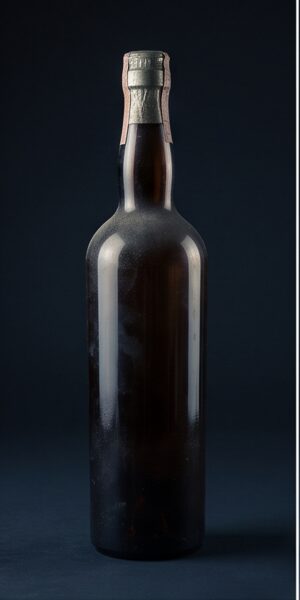 Lot 601
Amaro Certosino 1962
Monastic amaro, original capsule
196232.0%700ml
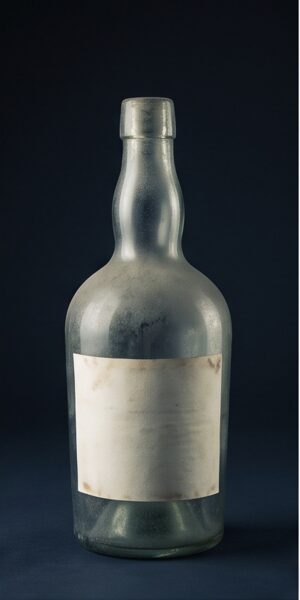 Lot 602
Vermouth Bruzzone 1951
Vermouth di Torino
195116.5%1L
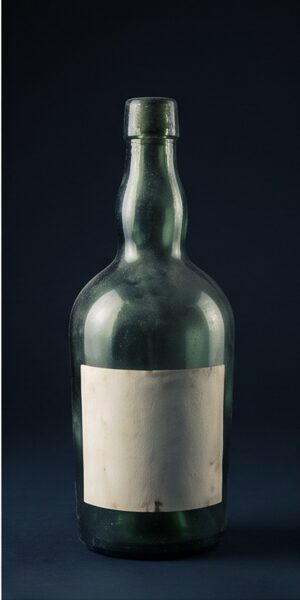 Lot 603
Ca Rovina 1947
Barolo, library release
194713.0%750ml
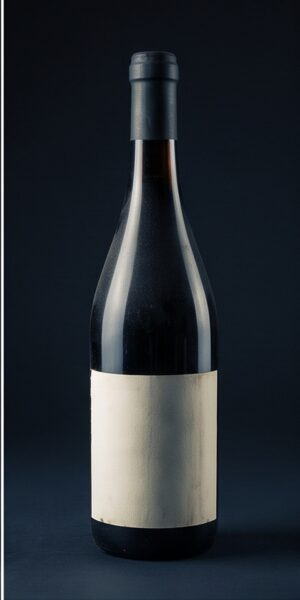 Lot 604
Amaro Certosino 1938
Monastic amaro, pre war
193834.0%700ml
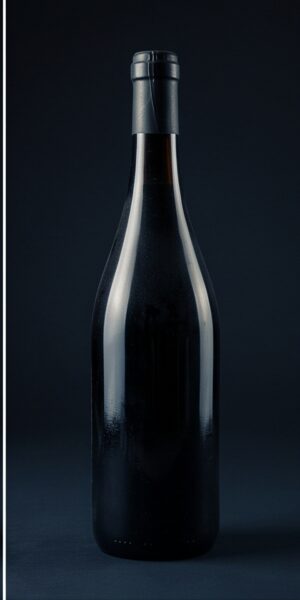 Lot 605
Grappa Valsenio 1974
Single pomace grappa
197445.0%500ml
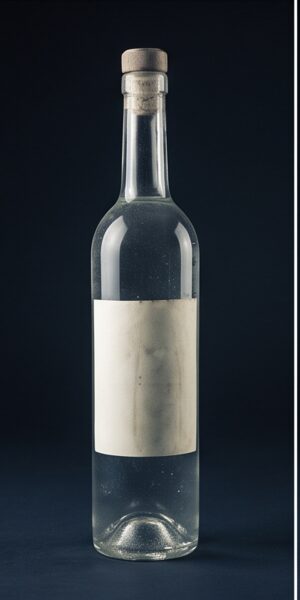 Lot 606
Vermouth Bruzzone 1929
Vermouth di Torino, pre war
192916.0%1L
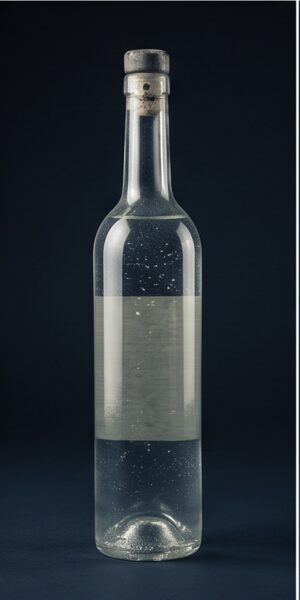 Lot 607
Serragrande 1964
Barbaresco, nebbiolo, estate release
196413.5%750ml
 Lot 608
Amaro Serafino 1955
Herbal amaro, abbey bottling
195530.0%700ml
 Lot 609
Ca Rovina 1971
Barolo, library release
197113.5%750ml
 Lot 610
Grappa Valsenio 1961
Single pomace grappa
196147.0%500ml
 Lot 611
Chinato Moretti 1968
Barolo chinato
196816.5%500ml
Serving pieces from Italy
Nothing from Italy on the shelf yet. We would rather say so than pad the page out with things we do not have.
Not seeing it?
We buy from dealers and at auction worldwide, and most of what we handle never appears on a shelf at all. Tell us what you are after and we will go and look for it, say honestly whether it is worth the money, and agree our part before anything is bid.
Tell us what you are afterHow Italy came to make it
- 800 BCGreek colonists call the south Oenotria, the land of vines
- 12th centuryThe medical school at Salerno records distillation
- 1786Carpano begins selling vermouth over the counter in Turin
The Greeks who colonised the south called it Oenotria, the land of trained vines, and Italy has fermented continuously ever since. What makes this shelf distinctive is not the wine, though, but what was done to it afterwards.
Distillation in Europe is first documented in medical writing, and the school at Salerno was describing it by the twelfth century, a long time before spirits were a pleasure rather than a remedy. That medical lineage never really left. Grappa is made from the skins left after fermentation, amaro from bitter roots and barks steeped in the manner of a monastery infirmary, and vermouth was formalised in Turin in 1786 when Antonio Benedetto Carpano began selling a fortified, aromatised wine over the counter.